A pornography craving plan is a short, written set of moves you prepare while you are calm, so that when an urge arrives you follow instructions instead of negotiating with yourself. It names your risky times, your first move, a backup action, and one source of support. You can draft a working version in about twenty minutes, and this checklist walks through each part.
The goal is not to promise yourself you will never feel an urge again. The goal is to decide, in advance, what happens next when you do.
Why the plan needs to exist before the urge
In the middle of a craving, attention narrows. The part of you that wrote goals yesterday is harder to hear than the part that wants relief now. That is why a plan made in advance matters: Northwell Health's guidance on changing porn use puts "plan ahead" first, noting that an urge is not the same as a relapse and that backup plans support long-term change better than willpower alone.
A written plan does three useful things:
- it shrinks the decision to a few small steps you already chose,
- it moves friction into place before the moment, when setting it up is easy,
- it gives you words to use, so you are not improvising under pressure.
One note on framing before the checklist. This article does not diagnose you. The ICD-11, the World Health Organization's classification, lists compulsive sexual behaviour disorder as an impulse control disorder, and its authors stress that distress based on moral judgment alone does not indicate a disorder. Many people who describe their use as out of control would not meet clinical criteria, and many who would benefit from support never use the word addiction. Whatever label fits you, a practical plan is a reasonable tool.
The craving plan checklist at a glance
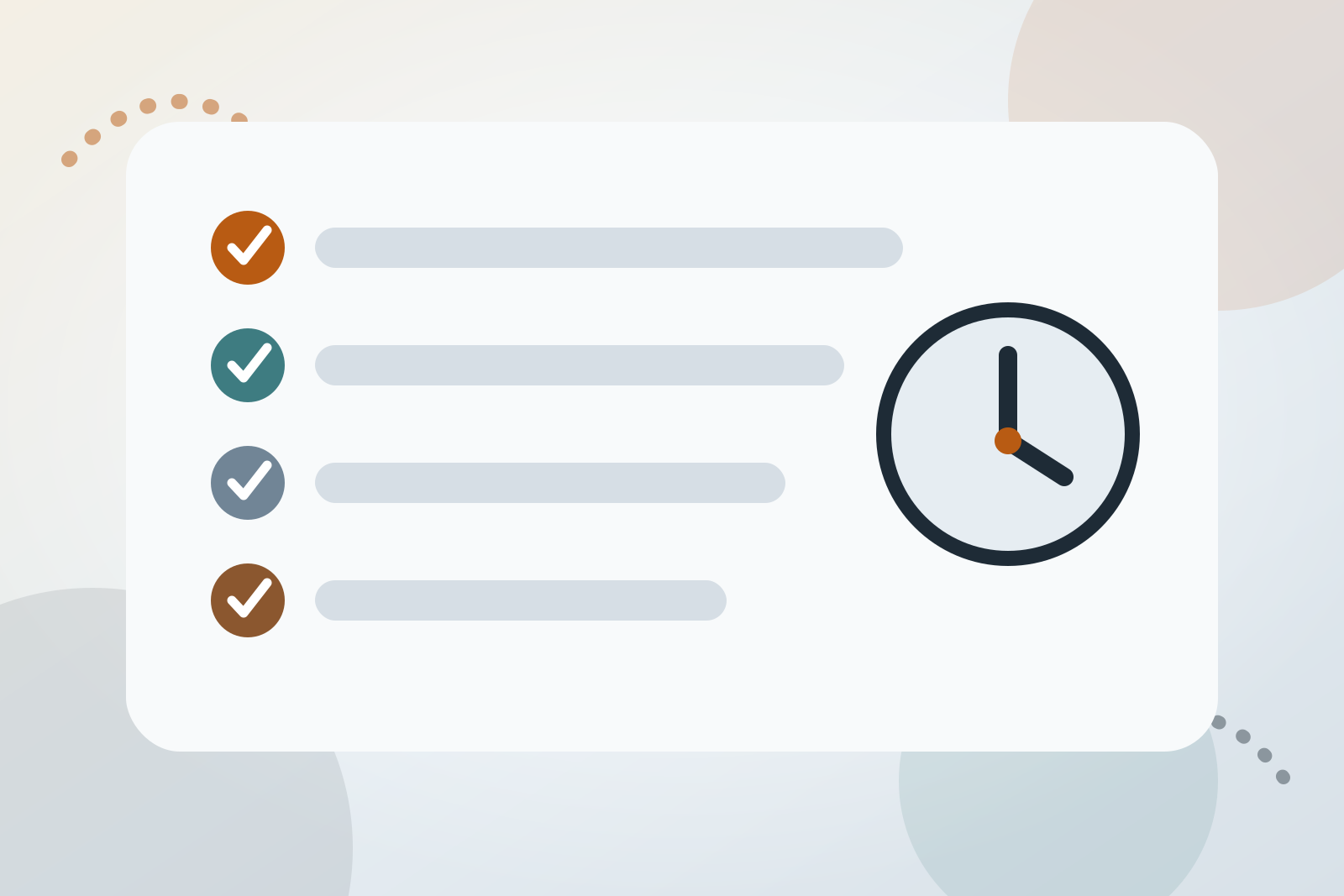
A complete plan fits on one card. It has five parts:
- The situations it covers: the specific times and setups where urges tend to start.
- The early sign: the thought or behaviour that tells you an urge is building.
- The first move: one action you can start in under a minute.
- The backup: what you do if the first move is not enough.
- The support route: one person or service you contact when the plan is not enough.
The rest of this guide fills in each part. Write your answers down as you go, in your own words. A plan in your own language is easier to trust at midnight than advice phrased by someone else.
Step 1: Name the situations the plan must cover
A plan that tries to cover "pornography in general" covers nothing. The UT Dallas Student Counseling Center advises changing the routines and environments that lead to use and avoiding high-risk situations, which starts with knowing which situations are high risk for you.
Look back over the last few weeks and list the setups where an urge actually started. Be concrete:
- the time and day ("Sunday around 10:30pm", not "sometimes at night"),
- the place and posture (in bed, at the desk, in the bathroom),
- the device in your hand and what you were doing on it just before,
- the feeling in the background (bored, wound up, lonely, unable to sleep).
Most people find two or three setups account for most of their urges. If late evening in bed is one of yours, Late-Night Porn Urges: Change the Setup Before Bed goes deeper on that specific situation. If you are still working out what your cues are, Porn Cravings: Map the Cue Without Shaming Yourself shows a simple way to record them.
Write your top two or three situations at the top of your plan. The plan exists for those, first.
Step 2: Write a first move you can start in under a minute
The first move is not the whole strategy. It is the thing that interrupts the automatic sequence while you decide what to do next. It should be physical, immediate, and slightly inconvenient to skip.
Good first moves share three traits:
- They change your body or location. Stand up, leave the room, put both feet on the floor.
- They separate you from the device. Phone on charge in the kitchen, laptop closed and put away.
- They take less than a minute to start. "Get up and fill a glass of water" qualifies. "Go for a run" usually does not at 11pm.
Write your first move as a sentence you could read aloud: "When I notice the urge, I put the phone on the hallway charger and make tea." Vague intentions like "distract myself" are hard to execute; a scripted move is not.
For what to do in the minutes that follow the first move, A Five-Minute Plan for the Start of a Craving lays out a short sequence. Some people also find it helps to notice the urge and let it rise and fall without acting on it, sometimes called urge surfing. Treat that as a coping technique, not a promise: craving intensity varies from person to person and moment to moment, and there is no fixed clock after which an urge must pass.
Step 3: Set up friction before the difficult hour
Willpower is most expensive at the moment of the urge and nearly free the afternoon before. Spend it early.
Friction means anything that adds steps between the urge and the content:
- charge your phone outside the bedroom overnight,
- log out of accounts and clear saved logins on the device you usually use,
- turn off private-browsing shortcuts or move the browser off your home screen,
- use your device's built-in content restrictions with a code someone else holds, if that fits your situation.
None of these make use impossible, and they are not meant to. They buy a pause. Northwell Health's guidance describes blockers as a barrier that buys time to reconsider, which is exactly the right expectation. A barrier plus a written first move is far stronger than either alone.
If being alone is the core of your risky setup, friction also includes people: a standing plan for the empty evening, or a message you can send early rather than at the peak. How to Handle Porn Urges When You Are Alone covers that scenario in detail.
Step 4: Add a backup and one named support route
First moves fail sometimes. A plan without a backup turns one failed move into "the plan didn't work, so forget it." Write a second line: "If I am still thinking about it after ten minutes, I shower without my phone and go to the living room, not the bedroom."
Then write the support line. This is the part people skip because it feels like admitting defeat. It is the opposite: it is what makes the plan honest. Your support route might be:
- one trusted person, with a prewritten text you can send without composing it in the moment,
- a counsellor or therapist, especially if use feels difficult to control despite repeated efforts,
- a peer support group, online or local.
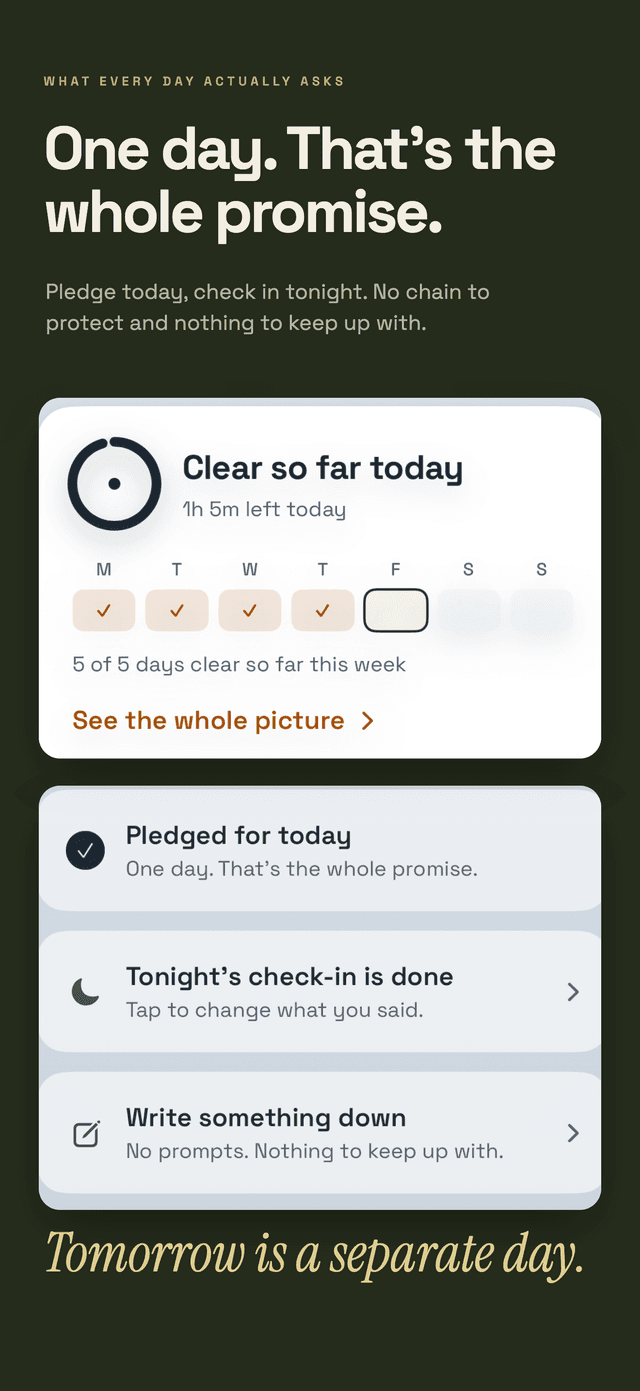
If you want the plan itself kept private, that is compatible with tracking. Hard Bit is an iPhone app built around exactly this kind of preparation: it keeps a private, on-device record for each habit, lets you save your own reason for stopping, and learns your difficult hour from your logged history. It makes no forecast from fewer than five entries and relies fully on your own data at around twenty, so the warning reflects your pattern rather than a generic guess. The app is optional. The principle, prepare your words and your warning before the hour, works on paper too.
Step 5: Store it, test it once, and revise without shame
A plan you cannot find is a plan you do not have. Keep it where the urge happens: a card in the nightstand, a note pinned at the top of your notes app, a photo in a private album. Private and visible, to you.
Then test it once while calm. Read it in the actual room at the actual hour. You will notice flaws immediately: the charger is not where the plan says, the backup assumes a shower you cannot take while others are home, the support person is three time zones asleep. Fix those now.
Finally, build revision into the plan itself. If you follow the plan and still watch pornography, the plan gave you information: which step failed, at what point, in which situation. Change that one part. A slip is not a verdict on you, and it does not erase the days the plan worked. The UT Dallas counseling resource frames change as building new routines and new ways of coping with feelings like boredom and loneliness, which is a process of adjustment, not a single test you pass or fail.
When a plan needs more behind it
A self-written plan is a reasonable first layer. It is not the right tool for every situation. Consider professional support if:
- your use feels persistently out of control despite repeated, genuine attempts to change,
- it is damaging your work, finances, or relationships,
- you are using it to manage anxiety, low mood, or another difficulty that itself needs care,
- shame or distress about the habit is becoming its own problem.
A GP, counsellor, or therapist can help you work out what is driving the pattern and what level of support fits. Seeking that help is not an escalation of failure; it is the plan working as designed, because the plan said when to bring in more support. You can browse more practical guides in the Hard Bit guide library.
Frequently asked questions
How long should a pornography craving plan be?
Short enough to use. Five parts on one card: the situations it covers, your early sign, your first move, your backup, and your support route. If the plan needs rereading and interpretation in the moment, cut it down.
Do I have to tell anyone about my plan?
No. The plan can be entirely private. The one exception is the support line: a plan is stronger if one route to another person exists, even if you never use it. You choose who that is and what they know.
What if I follow the plan and still watch pornography?
Then one step of the plan did not hold, and your job is to find which step. Did the urge start earlier than expected? Was the device already in hand? Was the backup unrealistic for that hour? Change the specific part and keep the rest. One slip does not cancel the plan or the clear days around it.
Can an app replace the plan?
No. An app can hold your reason, log your urges, and learn your difficult hours, but the decisions in the plan, the first move, the friction, the support route, are yours to write. Tracking supports the plan; it does not substitute for it.
How often should I update the plan?
Review it whenever a step fails in practice, and otherwise every few weeks. Routines change with seasons, work, and relationships, and the plan should track your real life rather than the life you had when you wrote it.