
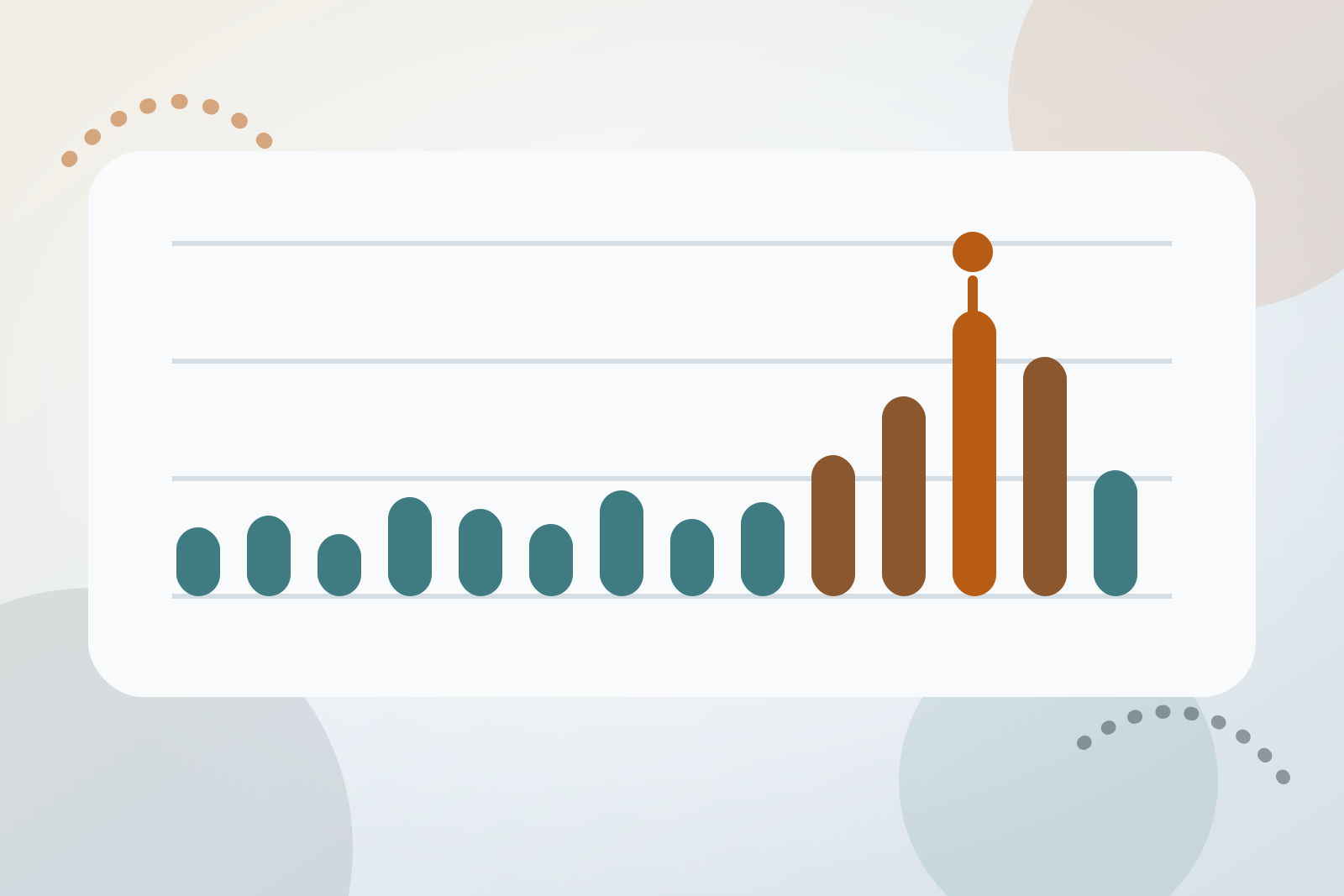
To spot your weekend drinking triggers, don't treat the weekend as one block. Split Friday evening to Sunday night into short stretches. In each one, note when an urge or a drink happened, what came just before it, what you told yourself, and what was within reach. Then compare those stretches with the same hours on an ordinary weekday. After two or three weekends, one or two pieces often stand out: a handover, an empty afternoon, a permission thought, or a particular person or place. Plan for that piece, not the whole weekend.
If you drink heavily or have had withdrawal symptoms, read the safety section before you change anything.
Why "the weekend" is too broad to plan for
"Weekends are hard" may be true, but it's too broad to act on. A weekend holds several different situations: leaving work, a late night with no alarm, a slow afternoon, a meal with friends, and the quiet run-up to Monday. Each has its own cues.
NIAAA's guidance fits this. The US National Institute on Alcohol Abuse and Alcoholism describes external triggers as people, places, things or times of day that offer drinking opportunities or remind you of drinking. It says these are more predictable than internal triggers, which can seem to pop up out of nowhere. NIAAA's material lists internal triggers that include fleeting thoughts, physical sensations, negative states such as frustration, and positive emotions such as excitement.
That last one matters at the weekend. A weekend can bring celebration and relief as well as boredom or loneliness, and both can lead to the same drink. Drinkaware's advice on weekend drinking makes the point that once you know when and why the drinking starts, you can work out how to avoid those triggers.
The method in this guide is our editorial suggestion for turning that advice into something you can record. It isn't a clinical assessment.
Check whether changing your drinking is safe first
Before you change your weekend, be honest about how much and how often you drink.
The NHS warns that stopping suddenly can be very dangerous if you are dependent on alcohol. Anyone who gets withdrawal symptoms should get medical help before trying to stop. The NHS says to call 999 if you or someone else has severe withdrawal symptoms after stopping drinking, such as confusion, hallucinations, severe shaking or seizures.
Weekend-only drinking can still be heavy. Drinkaware cites the UK Chief Medical Officers' low-risk guideline: no more than 14 units a week, spread over three or more days, with no bingeing. If your weekend regularly goes well past that, or if Monday brings shakiness, sweating or a strong need to drink, talk to a GP or a local alcohol service. Do that before relying on a self-made plan.
Split the weekend into six stretches
These are suggested starting points. Rename or merge them to fit your life, such as shift work, childcare or a different "weekend".
- The Friday handover: from the end of work to the first proper meal.
- Friday late: the evening once the plans have started, or failed to start.
- Saturday morning to early afternoon: chores, errands, a lie-in, or recovery.
- The Saturday gap: late afternoon into evening, often the least structured part of the week.
- Sunday daytime: meals, visits, sport, or nothing in particular.
- Sunday evening: the run-up to Monday.
You may assume Friday night is the problem. Logging can show something less obvious, such as a dull Saturday at 3pm or a low Sunday at 6pm. Splitting the weekend up lets you see that.
Log four details in each stretch
Keep each entry short enough that you'll actually write it. For every urge or drink, record:
- Time: the actual clock time, not "evening".
- What happened just before: a message, a place, a task finishing, a smell, a person arriving.
- The thought: usually a short permission sentence, such as "I've earned it", "No alarm tomorrow", "I was good all week" or "It's only the weekend".
- Access: what was nearby, who you were with, and whether alcohol was already in the house.
Add an urge rating from 0 to 10 and what you did next. Also note stretches that passed without an urge. Quiet stretches show what was protecting you.
Here is an invented example of one weekend's entries:
- Fri 6:10pm: train home, group chat planning drinks. "I've earned it." 6/10. Ate before going out. Two drinks.
- Sat 2:45pm: shopping done, nothing planned, kitchen. "Might as well." 7/10. Opened a beer at home.
- Sat 9:00pm: friend's flat, drinks bought in rounds. 5/10. Lost count.
- Sun 5:30pm: ironing a work shirt, dread about Monday. 8/10. Poured wine.
This person expected Friday to be the problem. The strongest urges were actually the empty Saturday afternoon and the Sunday shirt-ironing. The thoughts behind them were boredom and dread, not celebration.
If writing feels like a chore, How to Journal About Alcohol Without Writing an Essay shows how to keep entries to a line or two. For a wider look at cues beyond the weekend, see how to identify your alcohol triggers.
Compare the weekend with the same hours on a weekday
This is the step that turns a list of bad moments into an explanation. Take your strongest weekend entry and check the same hour on a Wednesday.
If Saturday at 3pm is hard but Wednesday at 3pm is fine, the hour itself isn't the cause. Something the weekend adds or removes is. Ask what the weekday has that the weekend lacks:
- Structure: a timetable, other people expecting you, a reason to stay clear-headed.
- Distance from alcohol: you're at work, not near the fridge or the shop.
- A different story: on Wednesday the drink is "not allowed", while on Saturday it feels deserved.
Then reverse the question: what does the weekend add? Sport on TV, payday, visitors, a partner who drinks, a house with no plans in it. These are often the weekend's real triggers. "Weekend" is just the label on top.
To get more precise about timing, How to Track the Hours You Are Most Likely to Drink covers time-of-day logging in more detail.
Read the pattern after two or three weekends
One weekend is a sample, not a pattern. Birthdays, illness, bank holidays and visitors can distort it. After two or three ordinary weekends, ask:
- Which stretch shows up every time?
- Which cue tends to come first in that stretch?
- Which permission sentence keeps coming back?
- Was any weekend calmer, and what was different about it?
- Does the pattern change on payday weekends, sport weekends, or when certain people are around?
Look for sequences too. Some people describe drinking less during the week and then "making up for it" at the weekend. Treat that as a possibility to test in your own log, not an established rule. If it fits, the trigger may start on Monday as a feeling of holding back, not on Friday at all.
If you use Hard Bit, logging an urge or a drink is free, each entry keeps its weekday and hour, and logging a drink doesn't reset your counter. Hard Bit Plus adds an on-device forecast of your difficult hours, plus the patterns and calendar views. The forecast makes no prediction until you have five entries and relies more fully on your own history at around twenty, so a few weekends of honest logging is what it needs. The Hard Bit overview explains how the forecast works and why nothing leaves your phone. A notebook works on the same principle.
Turn one weekend pattern into one change
This guide is about finding the pattern. Once you have it, how to build a weekend craving plan turns it into a Friday-to-Sunday checklist. Start by choosing the stretch that repeats most and changing one thing about it before it comes back:
- The Friday handover: decide in advance what replaces the first drink. How to Handle the First Alcohol-Free Friday Night works through that evening step by step.
- Saturday nights out: set your limit or your no-alcohol order while you're sober, not halfway through the night. Planning for alcohol cravings at social events covers rounds, offers and leaving early.
- The Saturday gap: book something with a fixed start time for that window, such as a class, a walk with someone, or a film. If it's safe for you to cut down, consider not keeping alcohol in the house for "later".
- Sunday evening: move Monday's preparation, like ironing and packing, to Saturday morning so it isn't waiting for you at 5pm. Plan a small Sunday-evening routine that has nothing to do with Monday.
- The permission sentence: write a reply in advance. "I've earned it" could become "I've earned a good Monday."
If you're cutting down rather than stopping, Drinkaware suggests planning drink-free days ahead of time. Choosing in advance which weekend day has no alcohol is easier than deciding on the day. Whichever goal you have, write the change as an if-then plan: "If it's 2:30pm on Saturday and nothing is planned, I'll go to the 3pm swim."
When the pattern means you need more support
A log can show things that a weekend plan alone shouldn't handle. These include:
- the amount creeping up from weekend to weekend,
- drinking on Sunday to feel normal after Saturday,
- shakiness, sweating or anxiety that eases when you drink,
- repeatedly going past the limit you set,
- other people worrying, or risks such as drink-driving.
Bring the log to a GP or local alcohol service. It can help you describe what has been happening without having to rely on memory. If you may be dependent, get medical advice before stopping. If you or someone else has severe withdrawal symptoms or is in immediate danger, call 999 or your local emergency number.
A tracking app can't assess any of this for you. Our editorial policy explains how we keep health guidance separate from product information.
Frequently asked questions
Is drinking only at weekends a problem?
We can't tell you that from an article. What matters is how much you drink in each session and its effect on you, not only which days you drink. UK guidance advises against bingeing and suggests spreading drinking across three or more days, with several drink-free days. If you're unsure, a GP or alcohol service can help you assess it.
How many weekends should I log before changing anything?
You can make a small change straight away, such as booking something for your emptiest afternoon. If you may be dependent on alcohol, get medical advice before cutting down sharply. To decide which stretch to plan for, two or three ordinary weekends usually give a clearer picture than one. Keep logging after you make the change, so you can see whether it helped.
What if my weekend triggers are mostly other people?
Record who was there and what happened just before the urge, such as an offer, a round, or a joke about not drinking. People are an external trigger you can often plan around. You might choose a different meeting place, arrive later, bring your own drink, or tell one person about your goal in advance.
Should I log urges I didn't act on?
Yes. Urges that passed without a drink show which stretches you're already managing, and what helped. Logging only the drinks makes the weekend look worse than it was and hides what is working.



