If you are facing a difficult night quitting smoking, don't try to survive the whole night in one go. Split it into stretches. Before evening, remove cigarettes and prepare one replacement action. In the late stretch, change the cue and put off the decision. At bedtime, keep caffeine, alcohol and screens low. If you wake with a craving, get up briefly instead of lying there arguing with it. If nights keep going badly, stop-smoking medicines and a local quit service are the evidence-based next step.
Each stretch needs one small move. None of them needs a heroic one.
Why nights can feel harder than days
Daytime has built-in structure: work, errands, other people, places where smoking isn't allowed. Evenings often take that structure away. You may be tired, alone, or settling into the same chair, drink or programme that used to come with a cigarette.
Sleep is also part of the picture. The NHS lists trouble sleeping among the common nicotine withdrawal symptoms, alongside cravings, restlessness, irritability and low mood. It says symptoms are usually strongest in the first week, especially the first three days, and last three to four weeks on average, though some people have them for longer. Smokefree.gov adds that when you're tired you are less resilient and may be more likely to slip back to smoking.
So a hard night isn't a sign that you lack resolve. It may be a predictable mix of withdrawal, tiredness and old routines, and you can plan for each of those.
Set up the night before it starts
The most useful work happens in daylight, while your thinking is clearer. Spend five minutes in the afternoon on three things.
- Remove easy access. Get rid of any cigarettes, lighters and ashtrays at home. If a partner or housemate smokes, ask them to keep their supply out of sight tonight.
- Pick one replacement action for the evening. Make it specific and easy to start: a bowl of something crunchy within reach, a jigsaw on the table, a podcast queued up, or a short walk route planned.
- Write one sentence for later. Something you'll believe at 11pm, such as "I want to wake up tomorrow without that taste" or "Tonight only needs to be one more night."
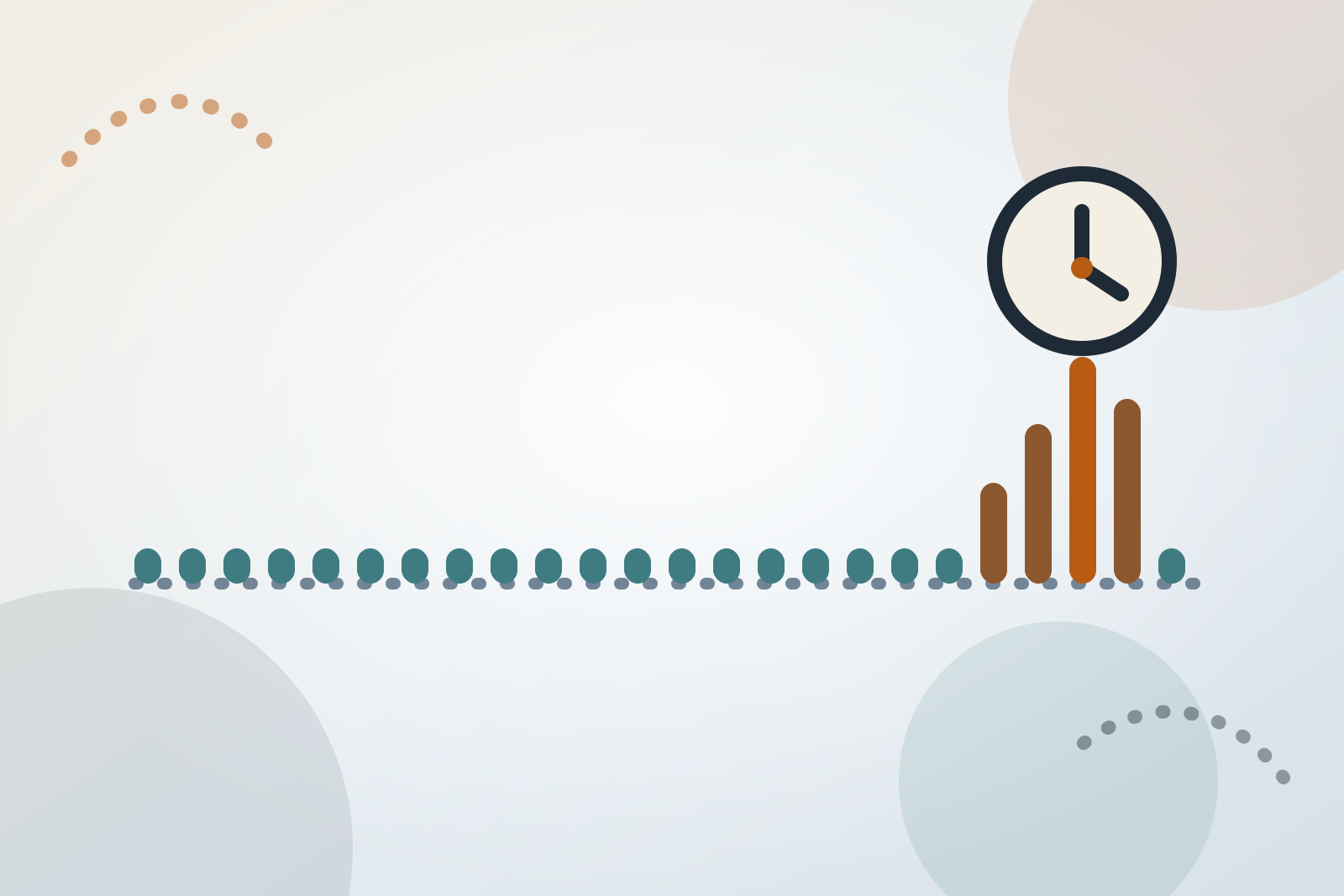
If you already know which hour tends to be the hardest, put it in writing. Tracking the hours you are most likely to smoke shows how a week of simple notes can turn "evenings are bad" into "9:30pm, after the dishes, on the back step". That's something you can actually plan for.
Handle the late-evening stretch
This is often where the old routine is strongest. The NHS notes that knowing your triggers helps you prepare for cravings, and evening triggers tend to be very specific.
Look at the usual sequence and change one link in it:
- The after-dinner cigarette: get up from the table straight away and do one short task, such as washing up, wiping the counter or making tea, before sitting down anywhere.
- The back-step or balcony habit: stay out of that spot tonight. If you need fresh air, go out the front door instead, or open a window in a different room.
- The wind-down programme: watch it somewhere else, or keep your hands busy while it plays.
- The evening drink: the NHS lists drinking alcohol among common situational smoking triggers. If drinks and cigarettes go together for you, read how to prepare for an alcohol-related smoking trigger before the weekend arrives.
When an urge hits, put the decision off rather than trying to settle it forever. Tell yourself you'll do your replacement action first and decide afterwards. How long cravings last varies from person to person and night to night, so treat the delay as a way to create space, not a deadline the urge must meet. A five-minute plan for the start of a craving breaks those first minutes into steps.
Make bedtime less of a battleground
Going to bed can feel like a relief or like a trap, especially if you used to have a last cigarette before sleep. Smokefree.gov suggests a few practical steps that may help with sleep during withdrawal:
- go to bed and get up at roughly the same times,
- keep screens out of the bedroom,
- limit caffeine, alcohol and large meals close to bedtime.
Smokefree.gov also suggests cutting back on caffeinated drinks for a while to ease withdrawal symptoms. That's worth knowing if you've swapped cigarettes for extra coffee or tea, and separating the coffee-and-cigarette pair covers that routine in more detail.
These next ideas are our own suggestions rather than official guidance:
- Replace the old "last cigarette" with a different marker that ends the day: brushing your teeth earlier than usual, a warm shower, or a glass of water at the window.
- Keep the bedroom free of anything that reminds you of smoking, including jackets that smell of smoke.
- If you lie awake for a long time, getting up for a quiet, low-light activity may feel better than lying there thinking about cigarettes.
If you use stop-smoking medicine, check how it fits with your night. Smokefree.gov notes that sleep problems or vivid dreams can be a side effect of the nicotine patch, and mentions taking the patch off before bed as one adjustment. Ask a pharmacist or doctor before changing how you use any product. They can help you balance overnight comfort against morning cravings.
If you wake up wanting a cigarette
Waking at 3am with a strong urge can feel worse than an evening craving, because everything seems quieter and harder to distract from.
This short routine is an editorial suggestion, not a clinical protocol:
- Sit up and put your feet on the floor. Being upright may make it easier to separate the urge from half-sleep.
- Drink some water and notice what the urge actually feels like right now.
- Read your sentence from earlier in the day.
- Do one low-light, low-effort activity for a short while: a few pages of a familiar book, slow breathing, or stretching.
- Go back to bed once you feel calmer. You don't need to feel perfect first.
Don't go outside "just to get some air" if that's where you used to smoke. Night-time decisions made on a doorstep alone are the ones this plan is trying to avoid.
Use a private record to make the next night easier
In the morning, write down what happened in a few lines. Which hour was hardest? What came just before the urge? What helped, even a little? Truth Initiative suggests logging the time of day, how strong the craving was, how you were feeling and what you were doing, then planning an alternative for each trigger.
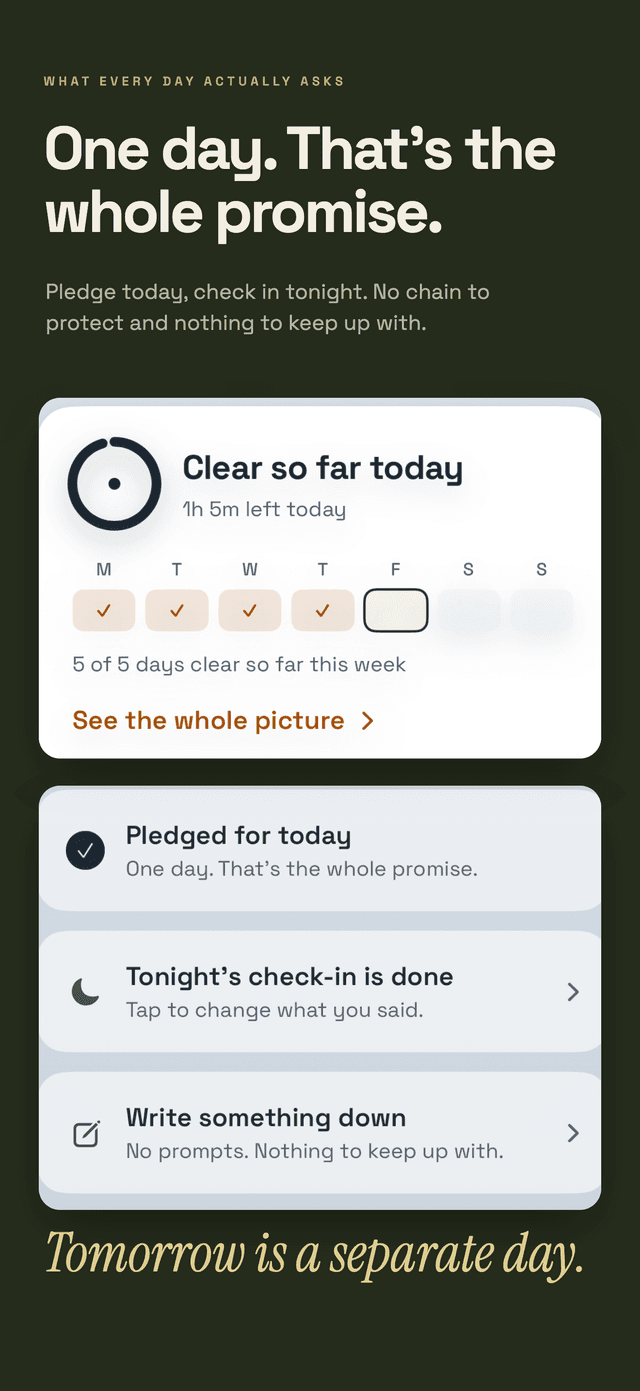
Hard Bit can hold this record on your iPhone. Each logged urge or cigarette stays in your own history, the hard-moment flow brings up the personal sentence you wrote, and nothing is sent to an account or server. With Hard Bit Plus, the app can use your logged history to learn which hours are hardest for you and warn you before one arrives. It needs at least five entries before it makes any prediction, so the first nights rely on your own notes. The Hard Bit overview explains how the free and Plus features fit together. Paper works too. What matters is an honest record.
If you smoked during the night, log it anyway. One cigarette doesn't erase the days before it. Measuring smoking progress beyond a perfect streak explains why total smoke-free days and how quickly you get back to the plan often tell a truer story than a reset counter.
Know when a coping plan is not enough
General tips like the ones above can help you through a single hard night, but they aren't the main evidence-based treatment for quitting smoking. The NHS says stop-smoking products, such as nicotine replacement therapy or nicotine-free prescription medicines, can help with cravings and withdrawal symptoms. It recommends talking to a GP, pharmacist or local Stop Smoking Service about options.
Ask for that support if:
- most nights follow the same hard pattern despite your planning,
- sleep problems carry on beyond the first few weeks or affect your daytime safety,
- you feel very low, anxious or unable to cope, or low mood isn't easing,
- you think a quit medicine is causing side effects.
If you ever feel unsafe, have thoughts of harming yourself, or are in crisis, contact emergency services or a crisis line straight away. A tracker or a coping plan is not emergency support. Our editorial policy explains how Daily Life Apps reviews health sources and keeps product information separate from safety guidance.
Frequently asked questions
Why are my cravings worse at night after quitting smoking?
Evenings often remove the structure of the day and bring back old routines, such as the after-dinner cigarette or the last one before bed. Tiredness and withdrawal-related sleep problems can also make urges harder to handle. The NHS lists trouble sleeping among common withdrawal symptoms.
Is it normal not to sleep well after quitting?
Trouble sleeping is a recognized nicotine withdrawal symptom. The NHS says withdrawal symptoms last three to four weeks on average, though they can last longer for some people. If poor sleep carries on or affects your safety during the day, speak to a pharmacist, doctor or stop-smoking service.
Should I take my nicotine patch off at night?
Some people find patches affect their sleep or dreams, and Smokefree.gov mentions removing the patch before bed as one option. Whether that suits you depends on the product and how strong your morning cravings are, so check with a pharmacist or doctor before changing how you use it.
What if I smoked during a difficult night?
Make the rest of the night safe and simple, then write down what happened in the morning without judging yourself. Look for the earliest point in the evening you could change next time, such as the drink, the spot or the hour. One cigarette doesn't erase the days before it, and what to do after a slip without erasing your progress walks through the next steps.