A difficult night when quitting gambling is easier to get through if you stop treating it as one long test of willpower. Make betting slower before the urge peaks. Put your phone and cards in another room, turn on the blocks you have, and keep money out of reach. Then get through one short stretch at a time with a simple action. If the urge or the distress keeps growing, contact a 24-hour helpline instead of trying to hold on alone.
You are not trying to feel calm all night. You are trying to reach the morning without betting, and to wake up knowing a little more than you did yesterday.
Why nights can be harder to get through
Nobody can tell you how a particular night will go. Still, some conditions often come together late in the evening. Phones are in reach, online betting is open, other people are asleep, and being tired can make the consequences feel further away. When you are lying awake, gambling can look like a quick way out of boredom, stress, or a bad day.
That is a description of the situation, not of you. If the hard part is usually the hour after midnight, a plan for that hour will help more than a general promise to try harder.
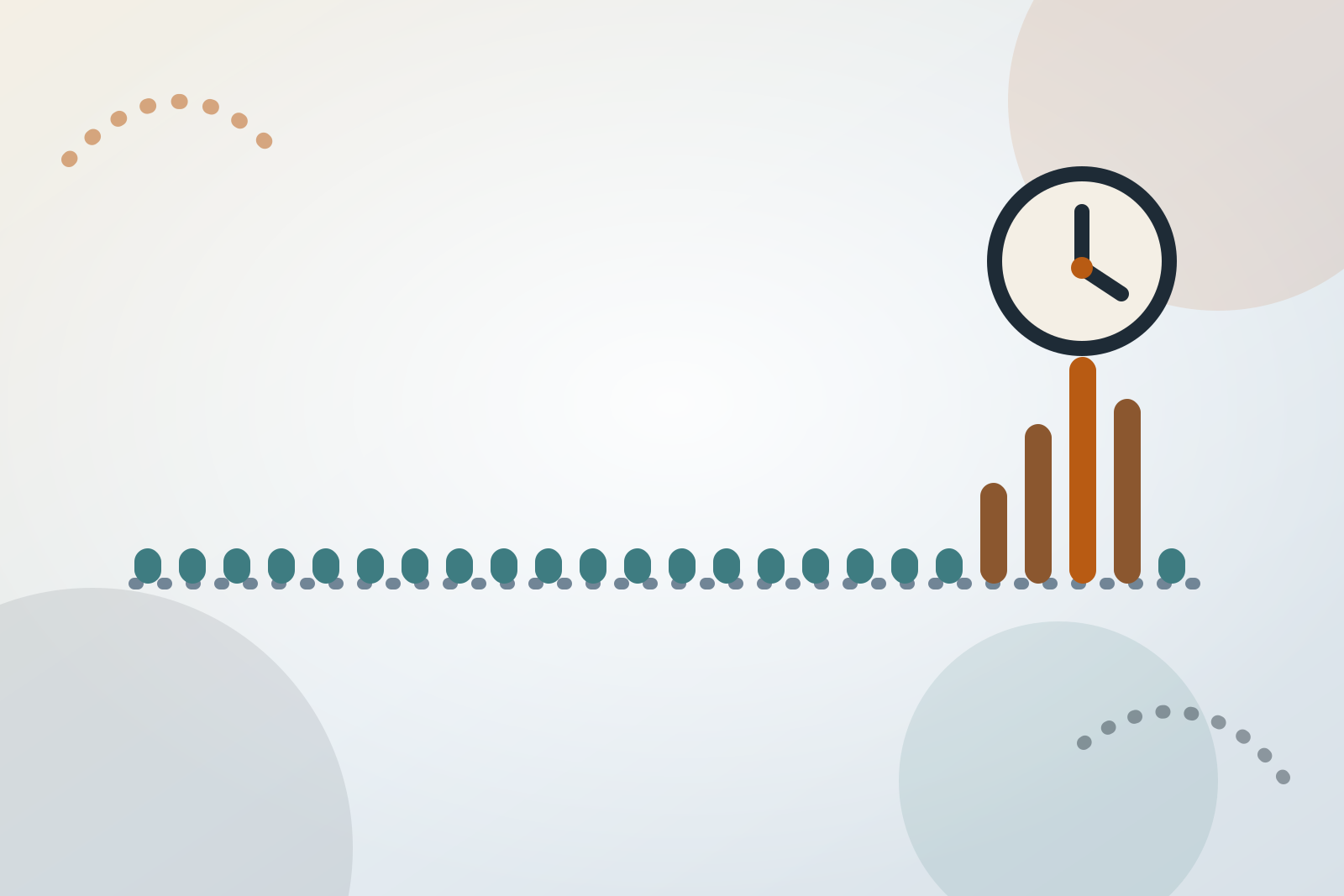
If you are not sure when your hard nights happen, tracking the hours you are most likely to gamble can show whether it is every night, certain weekdays, or the nights after particular events.
Before the night starts: remove the fast route
The easiest time to make betting harder is in the early evening, before the urge gets loud. The NHS lists practical steps that apply here: self-exclusion through GAMSTOP, software that blocks gambling on your devices, asking your bank to block gambling payments, and paying bills on payday before money can be gambled.
The Gambling Commission describes self-exclusion as an agreement not to gamble for a set period. It notes that self-exclusion works best alongside blocking software and payment blocks. It also says matching relies on the details you give, so use your real, current details. GAMSTOP says a new registration can take up to 24 hours to take effect, and it covers operators licensed in Great Britain, so don't count on it alone for tonight.
You may not have all of that set up yet. For tonight, pick whatever you can do in ten minutes:
- Put the phone on charge outside the bedroom. A cheap alarm clock can take over waking you up.
- Put bank cards somewhere slow to reach, such as a drawer in another room or with someone you trust.
- Turn on any gambling block your bank offers, if you have not already.
- Log out of betting accounts and delete the apps. Having to sign back in adds steps between you and a bet.
- Turn off sport and odds notifications for the evening.
None of these steps has to be permanent tonight. Each one adds time between the urge and the bet.
During the hard hour: make it smaller
If an urge starts anyway, don't think about the whole night. Pick a short stretch of time, such as the next fifteen minutes, and choose one thing to do in it.
Change your position. Get out of bed, go to a different room, and turn on a lamp. If you usually bet from bed with your phone, a change of room can interrupt that routine.
Name the urge plainly. Saying "I want to place a bet because I can't sleep" turns a pull into a fact you can deal with.
Pick a quiet, easy action. The options at 1am are limited, so choose ones that work then:
- make a hot drink and drink it at the kitchen table,
- have a shower without the phone,
- fold laundry or wash a few dishes,
- read a paper book or listen to a saved podcast on a device without betting apps,
- write down what is on your mind on paper.
Delay, then check again. Tell yourself you will reconsider after the drink or the shower. A delay is a way to get to your next decision with a clearer head. It does not guarantee the urge will be gone by then. Urges vary: some fade quickly, some come back in waves, and some stay at a low level. If the urge is still there, choose another short action, or move on to support.
For a step-by-step sequence for the moment itself, see how to handle gambling cravings in the moment.
When the night follows a loss
If the urge comes after losing money earlier that day, it may feel like a chance to win it back before morning. That pressure to recover the money is common, and it is worth planning for separately. Don't make any money decisions tonight. Write down the amount, close the banking app, and leave the question until the morning.
Pausing before chasing a loss covers that situation in more detail.
If the night gets worse: who is awake
Late at night, people often feel there is nobody to talk to. In Great Britain, GamCare runs the National Gambling Helpline, which is free and open 24 hours a day, seven days a week, on 0808 8020 133. It also offers live chat and WhatsApp. You don't need to have slipped or be in crisis to contact them. "I'm struggling not to gamble tonight" is enough. If you live outside Great Britain, find your local gambling helpline now, while things are calm, and save the number.
Get help straight away, rather than waiting for morning, if any of these apply:
- You are having thoughts of harming yourself or ending your life. Call 999 if you are in immediate danger. Otherwise, in the UK, call Samaritans free on 116 123 at any hour, or call NHS 111 and choose the mental health option.
- You feel unsafe, or someone else is at risk. Call 999.
- Debt or money pressure feels unbearable, or you are about to use money you need for rent, bills, or food. Contact the gambling helpline now.
Outside the UK, use your local emergency number and crisis line.
The NHS also points to longer-term routes for when you are ready. You can self-refer to an NHS gambling clinic in England, ask a GP about local services, or get help with debt rather than leaving it to build up.
If a friend or family member knows you are working on this, you could agree on a message you can send at any hour, such as "Hard night, don't need a reply, just telling someone." Some people find sending it is enough to break the isolation, even if nobody replies until morning.
In the morning: a short, honest record
Once you have slept, spend five minutes on a note before the day takes over. Keep it practical:
- When did the urge start? An exact time is more useful than "late".
- What came just before it? A match, a notification, an argument, a balance, boredom, or nothing obvious.
- What made betting easy or hard? Where the phone was, where the cards were, whether the blocks were on.
- What helped, even a little?
- Did you bet? Record the honest answer either way.
If you did gamble, the record still matters. It shows where tonight's plan stopped working, and that is the part to change before the next hard night. One difficult night does not erase the clear nights before it. Measuring gambling progress beyond a perfect streak explains how to keep both in view.
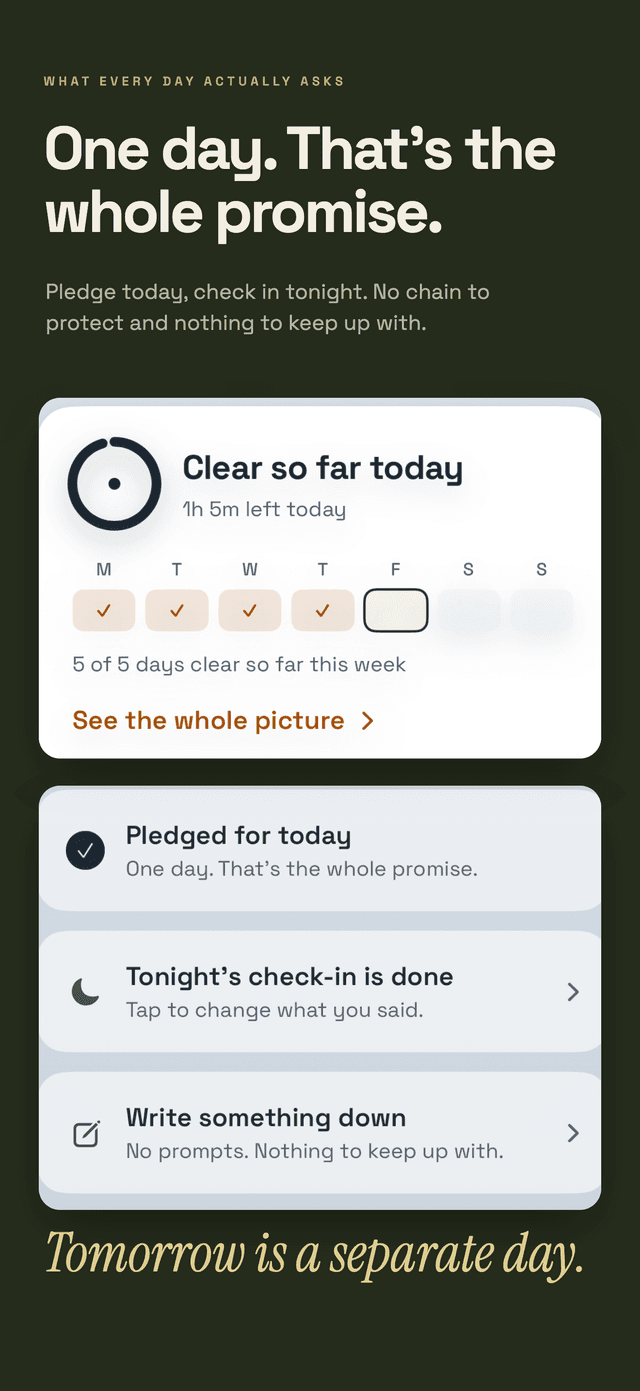
Hard Bit, an iPhone app, is built around this kind of record. You can log an urge or a bet against a gambling habit, save a personal sentence about why you are stopping or cutting down, and open a hard-moment flow when an urge starts. The counter does not reset after a slip. With Hard Bit Plus, the app can learn your difficult hours from your own entries and warn you before one arrives. It makes no prediction until you have at least five entries, and all of it is worked out on your phone. You can read more in the Hard Bit overview. A paper notebook can do the same job if you prefer.
Turn one hard night into a plan for the next
After a few morning notes, you will probably see repeats: the same weeknight, the same time, the same lead-up. Use the clearest repeat to write a plan for the next one:
- When: Sunday nights, roughly 11pm to 1am
- Early sign: checking scores in bed
- Barrier: phone charging in the kitchen from 10:30pm
- Action: tea, shower, podcast
- Support: helpline chat if the urge is still strong after the second action
Keep the plan small enough to follow when you are tired. If the same plan fails more than once, don't push harder at the same point. Add a stronger barrier earlier in the evening, or add more support, such as self-exclusion, a bank block, or a referral to a specialist service.
You can find more practical gambling guides in the Hard Bit guide library. Our editorial policy explains how we check health and support information.
Frequently asked questions
Is it normal for gambling urges to be worse at night?
Many people find night harder, but there is no single pattern that applies to everyone. Some people struggle most in the late evening, others on payday, after sport, or after an argument. Tracking your own urges for a couple of weeks gives you a better answer than any general rule.
What should I do if I can't sleep and keep thinking about betting?
Get up and go to another room instead of lying in bed with your phone. Pick a quiet action with a clear end, such as a drink, a shower, or a short chore, and keep the phone out of reach. If the urge or the distress keeps rising, contact a 24-hour gambling helpline.
Does self-exclusion stop me gambling tonight?
Not always. Self-exclusion is a formal agreement not to gamble for a set period. In Great Britain, GAMSTOP covers online operators licensed there, but GAMSTOP says a new registration can take up to 24 hours to take effect, and it does not cover sites licensed elsewhere. The Gambling Commission says self-exclusion works best alongside blocking software and payment blocks. For tonight, also put physical distance between you and your phone and cards, and don't rely on any single tool.
I gambled anyway. Is the whole attempt ruined?
No. Deal with anything urgent first, especially money you need for essentials. Then record what happened without blaming yourself, and change one part of the plan for the same situation next time. A slip is useful information about where the plan needs to be stronger. It does not cancel the progress you have made.