To get through a difficult night quitting vaping, make the key decisions in the evening, not at 2am. Move the vape out of the bedroom. Choose one action for when the urge arrives. Put water and something for your hands by the bed. Save one support route that still works when everyone you know is asleep. If a craving wakes you, get up, do the prepared action and go back to bed. In the morning, write down what happened without judging yourself.
If nights stay hard, that is a reason to ask for more support, not proof that you are failing.
Why nights can feel harder than days
Several separate pressures can meet at night.
What official sources say. Smokefree.gov lists trouble sleeping and cravings among the withdrawal symptoms people may notice when they stop vaping. The NHS says stopping nicotine vapes can bring withdrawal symptoms such as strong cravings, irritability and low mood. The Australian Government's quit guidance says symptoms can last from a few days to a few weeks, differ from person to person, and are temporary.
What many people notice. For a lot of people, the vape was part of winding down: on the sofa, in bed, during the last scroll of the day. When that routine stops, the gap can feel louder in the dark. Tiredness makes decisions harder, and the people you might normally message are asleep.
None of this means the night will go a particular way. It means a plan for the night is worth having, separate from your plan for the day.
Set up the evening before the urge arrives
Earlier decisions are easier to keep. Choose a few of these before the evening starts:
- Move the vape out of reach. If you are stopping completely, get rid of devices and pods, and check local guidance on disposing of vapes and their batteries safely. If you are cutting down, keep the vape in another room, not on the bedside table or in a jacket by the bed.
- Put a substitute where your hand usually goes. A glass of water, sugar-free gum, a stress ball or a toothpick can take the place of the reach.
- Pick one getting-up action. For example: go to the kitchen, drink water slowly, stretch for a few minutes, then come back. One action is easier to start than a menu.
- Write your reason on a card or in your notes. Make it specific: "I want to wake up without reaching for the vape first," not "I need to be stronger."
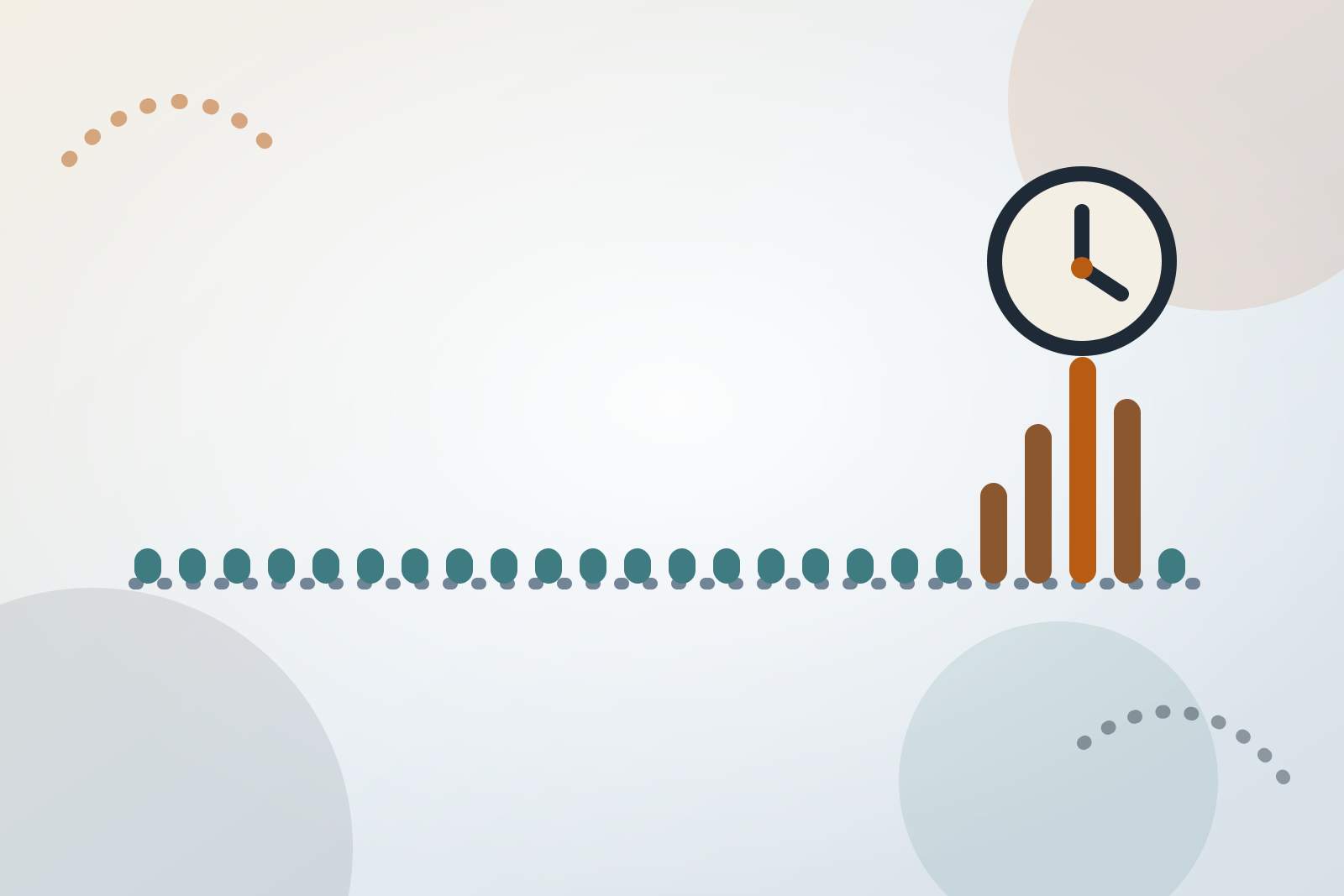
- Notice your usual hour. If evening urges cluster around a particular time, plan for that time instead of the whole night. Tracking the hours you are most likely to vape explains how to find it.
In Hard Bit, the hard-moment button and your own saved sentence are free. With Hard Bit Plus, the app can learn a difficult hour from your own logged entries and warn you before it arrives. It makes no forecast until you have at least five entries, and it is a tracking tool, not treatment. A paper card works too.
What to do when a craving hits late at night
When the urge arrives before you have fallen asleep, keep the task small.
- Name it plainly. "I want to vape. It's 11:40 and I'm tired." This describes what is happening. It does not predict what you will do.
- Change position. Sit up, put your feet on the floor or leave the room. Staying in the exact spot where you used to vape keeps the cue close.
- Do the prepared action. Water, stretching, a short walk round the flat, or something for your hands. Smokefree.gov's vape-craving advice includes finding ways to distract yourself until the urge passes.
- Read your sentence. The words you wrote earlier are usually kinder and clearer than what a tired brain comes up with.
- Decide only the next step. You don't have to promise anything about tomorrow. You only have to decide what you will do in the next few minutes.
Some people find it helps to notice the urge rising and easing without acting on it. Others do better with a physical distraction. Both are coping techniques, not guarantees. How long a craving lasts and how strong it feels vary. Smokefree.gov describes vape cravings as temporary and says they fade the longer you stay quit, but there is no fixed number of minutes to wait.
For a short routine to rehearse in advance, see a five-minute plan for the start of a craving.
If you wake up wanting to vape
Waking with an urge can feel different, because you haven't decided anything yet and your hand may already be reaching. A few suggestions:
- Keep the lights low and avoid your phone's feed. Use a small lamp, not the main light, and don't start scrolling.
- Get out of bed if the urge is strong. Lying still while wrestling with it can turn a few minutes into an hour.
- Go to the same place every time. Pick a kitchen chair or a spot by the window. Repetition makes the response more automatic.
- Drink some water, breathe out slowly a few times, then go back to bed.
- Leave the analysis until morning. At 3am, "Why am I like this?" is rarely useful. "What helps right now?" usually is.
If you have reached for a vape in your sleep or half-asleep, you are not alone; people describe this on peer-support forums. The practical answer is distance: if there is no device within reach, half-asleep reaching has nothing to find.
Protect sleep without chasing perfect sleep
Broken sleep during the first weeks is common and frustrating, but trying to force sleep can make you more alert. Smokefree.gov's advice for sleep during vaping withdrawal includes turning off screens at least an hour before bed and not sleeping with your phone in the bedroom.
A few other habits many people find useful:
- keep a steady bedtime and wake time, even after a rough night,
- have caffeine earlier in the day rather than in the evening,
- eat something earlier in the evening if hunger tends to wake you,
- keep tomorrow's first hour simple if you know tonight may be rough.
Avoid swapping the vape for alcohol or sleeping tablets to get to sleep. If you already use nicotine replacement and your nights seem worse, tell your pharmacist rather than changing the dose on your own. If sleep is still badly disrupted after a few weeks, talk to a pharmacist or doctor rather than putting up with it.
Who to contact when everyone else is asleep
Support is easier to use if you have chosen it before the night starts.
- A text you can send without needing a reply. Write something like "Rough night, not vaping, will call you tomorrow" and save it in advance. Sending it can be enough.
- A text-message quit program. In the US, Truth Initiative runs This is Quitting, a free text program that helps people through cravings to vape. Check its site to see whether you are eligible and how to join.
- Your local quit service. In England, NHS Better Health explains how to quit vaping and suggests asking a pharmacist or stop smoking adviser about suitable nicotine replacement. In the US, Smokefree.gov lists quit resources. Other countries have similar national services.
These services can talk you through evidence-based options. An app or a coping list cannot.
When the night calls for more than coping tips
Medicines and nicotine replacement. The NHS suggests lowering nicotine strength gradually as one approach. If you prefer to stop in one step, it says a pharmacist or stop smoking adviser can help with a suitable nicotine replacement product. Smokefree.gov notes that there are no FDA-approved medicines specifically for quitting vaping, and recommends talking to a clinician about options. Decide on medicines with a professional, not alone at night.
If you switched to vaping to stop smoking. The NHS advises stopping vaping only when you feel confident you won't go back to smoking. If a hard night makes cigarettes feel tempting, tell your quit service. Your plan may need adjusting.
Low mood or feeling unsafe. If the night brings thoughts of harming yourself, or you feel unable to stay safe, contact emergency services or a crisis line straight away. In the UK, Samaritans answer 116 123. In the US, call or text 988. In Australia, Lifeline is on 13 11 14. Elsewhere, use your local emergency number. The Hard Bit support page lists more help routes, and our editorial policy explains how we handle health and safety information.
What to write down the next morning
A short, honest note turns a hard night into information for the next one. Write three facts:
- When: the time the urge started or woke you.
- What was around you: tired, phone in hand, argument earlier, late caffeine, vape still in the drawer.
- What happened next: what you tried, what helped a little, and whether you vaped.
If you did vape, record it. One night doesn't erase the days before it. Read how to measure vaping progress beyond a perfect streak for ways to count progress that survive a slip, and how to track vaping without turning it into shame for wording that keeps the log useful.
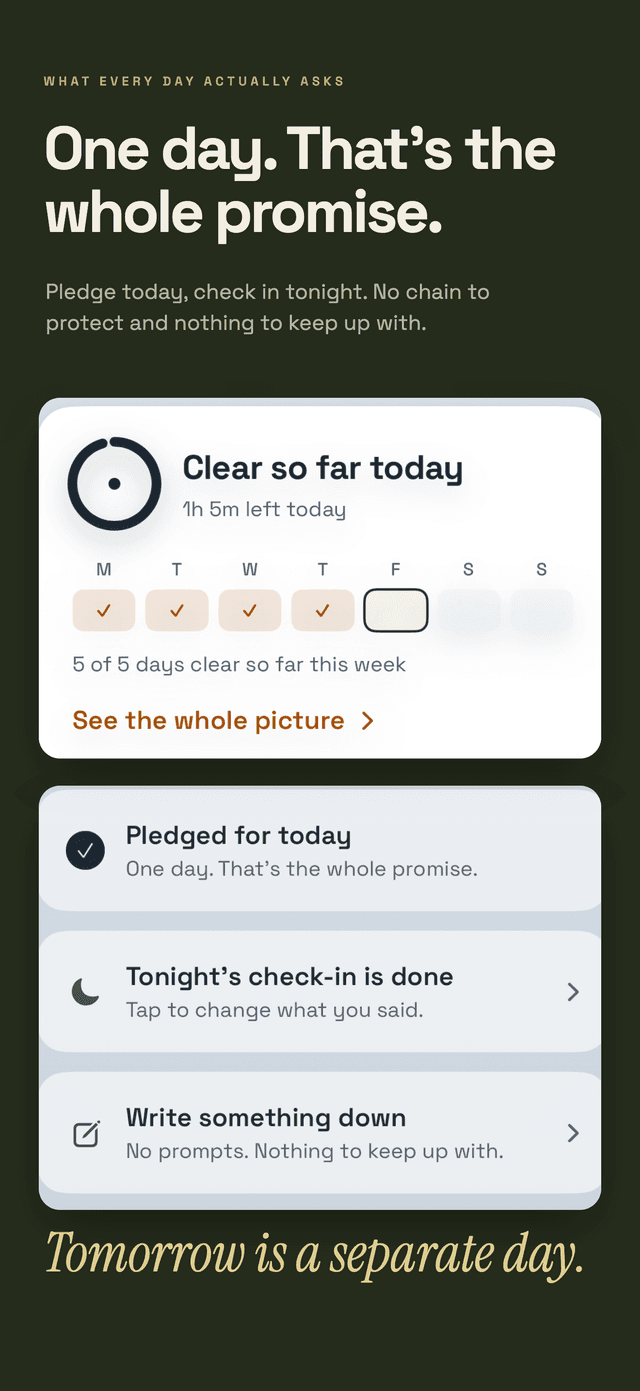
If you prefer your phone to paper, Hard Bit keeps that record privately on your iPhone, with no account, and its counter doesn't reset after a slip. The Hard Bit overview explains how logging, the journal and the difficult-hour forecast fit together.
Then change one thing for tonight: move the vape further away, plan an earlier snack, or send the support text sooner.
Frequently asked questions
Is it normal to have worse cravings at night after quitting vaping?
Many people find nights harder, but there is no single pattern. Smokefree.gov lists cravings and trouble sleeping among vaping withdrawal symptoms, and national guidance describes withdrawal as temporary and different for each person. If nights stay very hard, speak to a quit service or pharmacist.
How long will my sleep be disrupted after I stop vaping?
It varies. The Australian Government's quit guidance says withdrawal symptoms can last from a few days to a few weeks. If your sleep is still badly affected or getting worse, talk to a doctor or pharmacist rather than waiting it out.
Should I keep one vape in the house just in case?
That depends on your goal and your quit service's advice. If you are stopping completely, keeping a device nearby makes a half-awake decision much easier. If you are cutting down, keep it out of the bedroom and agree a plan for it in advance.
Can nicotine replacement help with night cravings?
It might, but the right product and timing depend on your situation. Ask a pharmacist, stop smoking adviser or clinician. Smokefree.gov notes that no medicines are FDA-approved specifically for quitting vaping, so get professional advice first.
What if I vape during a difficult night?
Make sure you are safe, record what happened, and change one condition for the next night. A slip is information about the plan, not a verdict on you, and earlier vape-free days still count.