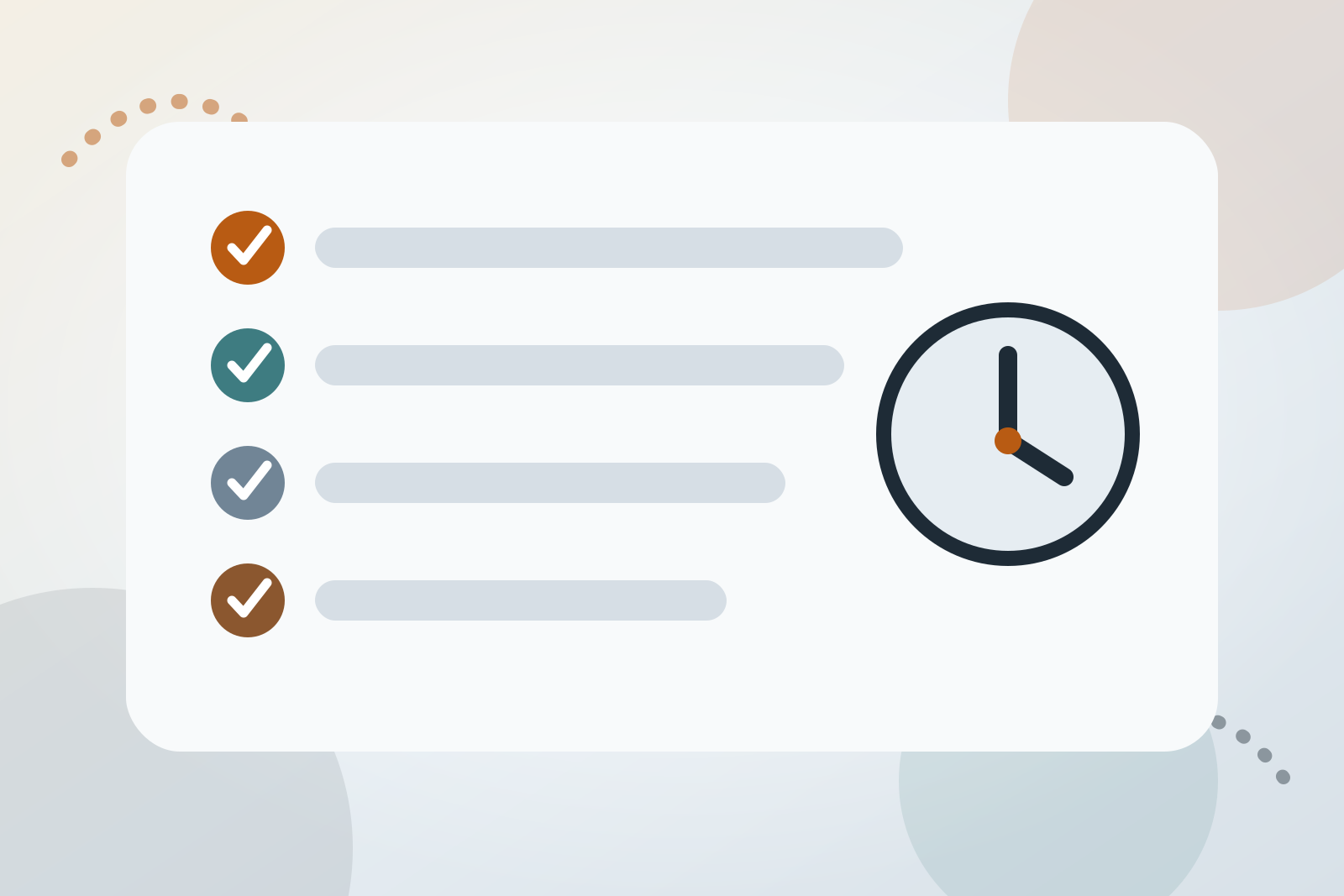
Gambling advertising triggers are easier to handle once you sort them by what you can control. Switch off the promotions sent to you personally, such as emails, texts, app notifications, and free-bet offers. Reduce the ads you see online. For ads you cannot block, such as TV breaks, shirt sponsors, and billboards, write a short response in advance so you don't have to decide what to do in the moment.
You don't have to make every advert disappear. The aim is fewer prompts and a ready answer for the ones that still get through.
Why promotions deserve their own plan
Gambling adverts are hard to miss. When you are trying to stop or cut down, the problem is that a promotion offers a cue and an easy next step at the same moment.
The Gambling Commission's Path to Play research found that ads catching the eye, special offers, and direct communications such as emails, texts, and app notifications were the most commonly cited external triggers. Special offers were described as the most influential at that stage. General advertising and sponsorship were widely noticed but mostly treated as background noise, and when a TV advert did prompt play, it was the offer inside it doing the work. Higher-risk gamblers reported more triggers linked to offers and direct messages.
A small 2020 interview study from the University of Bergen talked to people with current or past gambling disorder. When they were cutting back or abstaining, participants described direct marketing as aggressive and said it set off urges that conflicted with their goal. Many had worked hard to limit their exposure. The study is small and exploratory, but it matches what many people describe.
The wider evidence is mixed in quality. A 2025 systematic review in Addiction linked sports-related gambling advertising with more frequent and unplanned gambling and higher spending, with stronger self-reported effects among higher-risk gamblers. Most included studies were observational, so they show associations rather than proof that any single advert causes a bet.
The practical conclusion: treat promotions as a predictable category of cue, start with the offers, and prepare for the rest.
Tier one: switch off what is sent to you
Start with personal marketing. It is aimed at you, it often contains an offer, and it is usually the easiest to stop.
Emails and texts. The Gambling Commission says gambling businesses should only send marketing texts or emails with your consent. To withdraw it:
- use the unsubscribe link in each marketing email, or contact the operator directly,
- follow the opt-out instruction in marketing texts, often replying STOP,
- report unwanted texts to your mobile network by forwarding them to 7726,
- complain to the Information Commissioner's Office if messages continue.
App notifications and account preferences. Turn off notifications for any betting app, then open the account's marketing or contact preferences and switch every channel off. Deleting the app alone doesn't withdraw the consent you gave the operator, so emails and texts can keep arriving after the app has gone.
Accounts and self-exclusion. NHS guidance recommends registering with GAMSTOP, installing gambling-blocking software, and asking your bank to block gambling payments. GAMSTOP covers gambling sites and apps licensed in Great Britain, not international operators, so a blocker and bank controls add useful layers. Outside the UK, look for the national self-exclusion scheme and the bank controls available where you live.
Free bets from other people's accounts. A "free" bet still means placing a bet, and a bonus credited to a friend's or relative's account keeps the decision within reach. If someone offers to share one, a prepared reply helps. What to do when friends want to bet together covers how to say no without a long explanation.
Do this tier in one sitting on a calm day, not on the evening a big promotion arrives.
Tier two: reduce what appears online
Online ads can be cut down, but rarely to zero.
GamCare suggests using an ad blocker in your browser and limiting gambling ads on the social platforms you use. Many large platforms let you hide individual ads or limit sensitive ad topics such as gambling in their ad settings. The exact menu names change, so search each platform's help pages for "ad topics" or "ad preferences" rather than relying on an old screenshot.
A few changes that don't depend on platform settings:
- unfollow or mute tipster, odds, and "acca of the day" accounts,
- mute words such as "odds", "free bet", and "boost" where your apps allow it,
- leave or mute group chats that mostly share betting slips,
- sign out of sports apps that sit next to betting features.
Check what each tool actually covers. A gambling site blocker may stop access to betting sites without hiding adverts on other pages, and an ad blocker does nothing for a text message.
Tier three: prepare for ads you cannot block
TV ad breaks, sponsor logos on shirts and pitch-side boards, billboards, radio, and bus-stop posters are beyond your settings. These need a prepared response, not more willpower.
Write one line for each setting you meet regularly. Keep it specific and doable within a few seconds:
- Ad break during a match: "Mute it, stand up, refill my water."
- Sponsor logo all game: "It's wallpaper. My phone stays on the kitchen charger."
- Billboard on the commute: "Look at the next stop on the route map and text Jo good morning."
- Radio promotion in the car: "Switch to the podcast I queued."
- 'Enhanced odds' push from a friend: "Not for me right now. What are you doing later?"
Here is how it can work. Priya stopped betting in the spring. On Saturday evenings the urge didn't come from the match itself. It came during the half-time break, when the same in-play promotion appeared on screen. Their plan card said: "Half-time ad: mute, kitchen, start the washing-up, phone stays on the charger." Some weeks the urge was still loud. The card meant they didn't have to decide what to do at that moment.
If the urge stays strong after the ad, use a short in-the-moment sequence. How to handle gambling cravings in the moment walks through one. For fixtures, where adverts cluster around kick-off, half-time, and the final whistle, the live-sport match plan covers the before, during, and after windows in more detail.
Log which promotion came before the urge
After a week or two, a short record will show which tier is letting the most prompts through. Keep each entry small:
- day and time,
- promotion type: email, text, app alert, social ad, TV or radio, street or venue, or a friend's offer,
- urge strength on your usual scale,
- what you did next.
One entry might read: "Thursday 7:50pm; email with a deposit match; 7/10; deleted it, unsubscribed, walked to the shop without my card." Another: "Sunday 4pm; pitch-side boards; 3/10; no action needed."
Look for repeats. If most strong urges follow emails, finish tier one before anything else. If the hardest moments follow ad breaks at the same time each week, the issue is timing as much as content. Tracking the hours you are most likely to gamble shows how to find that window.
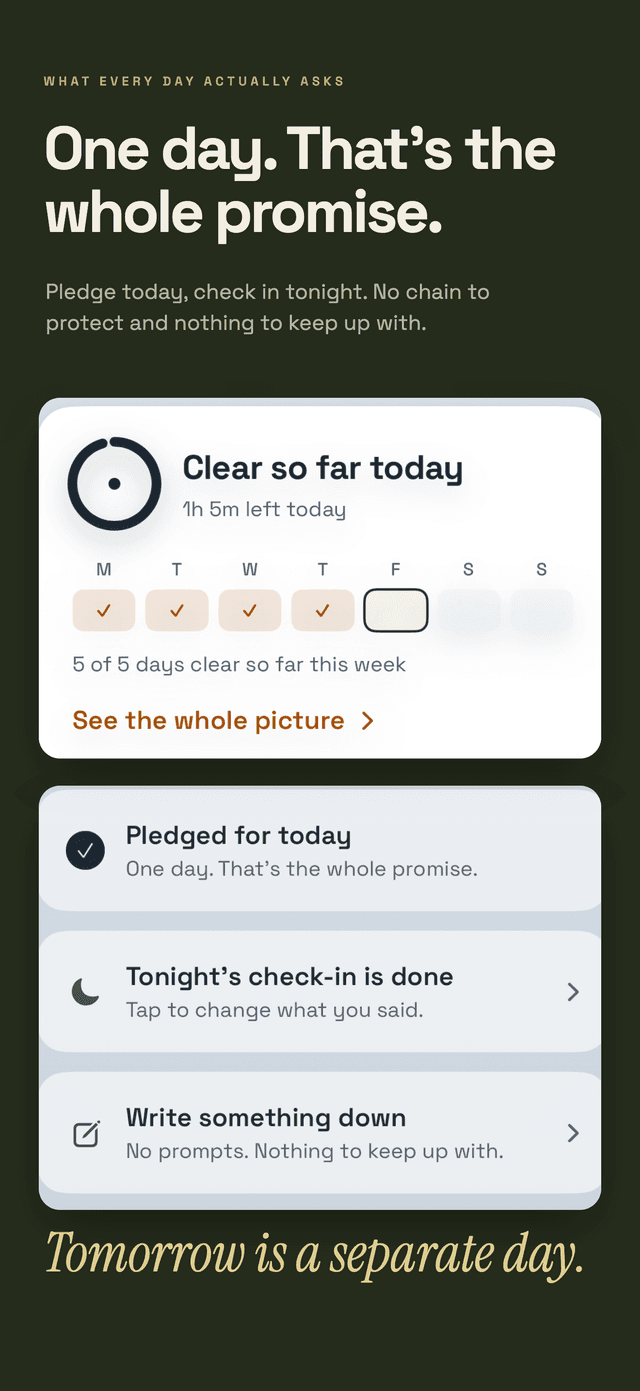
Hard Bit can hold this kind of record. You can track betting as its own habit on your iPhone, with private logs, a counter, a journal, and the reason you are stopping or cutting down, all of which are free. Hard Bit Plus adds a forecast calculated on your device from your own entries. It makes no prediction below five entries and relies fully on your history at about twenty, so it reflects your logged pattern rather than predicting your next decision. Hard Bit has no account or advertising, so the tool you track with doesn't add more promotions. The Hard Bit overview explains the workflow, and Hard Bit support lists current features and privacy details. A paper notebook works for the same exercise.
When a promotion leads to a bet
If an offer gets through and you gamble, end the session first. Close and log out of the account, move away from the device, and set up the block or exclusion you had been postponing. Do not try to win back the loss with another offer. A "refund if you lose" promotion is still a reason to deposit.
Keep the event in your record instead of deleting it. Note which promotion it was and which tier it came through, then change one condition. That might mean unsubscribing from the last remaining list, moving a blocker from one device to all of them, or asking your bank about a gambling block.
When to get more support
Ads are one cue among many. Act sooner if spending is rising, you are borrowing or hiding losses, bills are affected, barriers keep failing, or promotions leave you feeling hopeless rather than briefly tempted.
In Great Britain, the National Gambling Helpline, run by GamCare, is free on 0808 8020 133, 24 hours a day. The NHS describes specialist gambling clinics in England that accept self-referrals. If debt is involved, a free debt-advice service can help you plan repayments. Elsewhere, use a recognised local gambling-support or debt-advice service.
If you may act on suicidal thoughts or are in immediate danger, call 999 in the UK or go to A&E. Samaritans is free at any time on 116 123. Outside the UK, use your local emergency or crisis service.
Our editorial policy explains how health information and product details are kept separate and reviewed.
Frequently asked questions
Can I stop seeing gambling ads completely?
Usually not. You can stop most marketing sent to you personally and reduce online ads, but broadcast, sponsorship, and street advertising can't be blocked from your side. That's why the third tier is a prepared response rather than another setting.
Will self-exclusion stop marketing emails?
Operators licensed in Great Britain are expected to stop marketing to people who have self-excluded through GAMSTOP, but the scheme doesn't cover international sites. Unsubscribe from anything that still arrives, and report persistent messages to the operator or the Information Commissioner's Office.
Is a free bet risk-free if I'm only cutting down?
A free bet still involves placing a bet. It can bring back the routine, the account, and the urge to keep going, and the Gambling Commission's research identifies special offers as a strong trigger. If you have chosen to cut down, decide your limits on a calm day rather than when an offer arrives.
Do ads bother some people more than others?
Research suggests self-reported effects are stronger among higher-risk gamblers, and people trying to abstain describe direct marketing as particularly hard to ignore. Your own log is the best guide to which promotions matter for you. More source-reviewed guides are in the Hard Bit guide library.