Late night gambling triggers are hard to argue with at 1am: a quiet house, a match on in another time zone, a deposit offer in your inbox, lying awake after a bad day. Debating with the urge at that hour rarely works. A more reliable approach is to make the bet slower to reach before the evening starts. List every way you can gamble, from the app to a saved card. Then, while you are rested, put a barrier on each one. If the night still turns hard, contact a 24-hour helpline.
This guide is about that setup. If tonight is already difficult, go to how to get through a difficult gambling night instead.
Why late nights can make gambling easier to start
Most of the evidence on time of day comes from venue gambling. A 2023 study funded by the NSW Government looked at people playing poker machines late at night. According to the NSW Independent Liquor & Gaming Authority, almost two in three of those playing between 2am and 8am reported significant negative consequences. That finding is about venue machines in one Australian state. It shows that late play and harm go together. It does not show that the late hour causes the harm, and it does not measure online betting.
For online gambling, the Royal Society for Public Health argues that night-time play is hidden from view, so friends and family are less likely to notice. It also says more hour-by-hour research is needed, so treat this as a reasoned concern rather than a settled finding.
Our editorial view is that late night tends to bring three things together: easy access, privacy and tiredness. You cannot plan away being tired. You can plan away a lot of the access.
Name your own late-night triggers first
Before you add barriers, find out which nights you are actually guarding against. People often describe triggers like these in support forums and in their own logs. Use them as prompts, not as a checklist you have to match:
- lying awake and reaching for the phone,
- a partner or housemates going to bed,
- overnight sport or racing in another time zone,
- drinking earlier in the evening,
- money arriving, such as payday or a refund,
- a late promotional email, text or push notification,
- wanting to switch off after a stressful day,
- a win or a loss earlier that day.
Write down the two or three that come up most often, with a rough time for each. If you are not sure when your risky window starts, tracking the hours you are most likely to gamble shows you how to find it from a week or two of notes.
Map every route from urge to bet
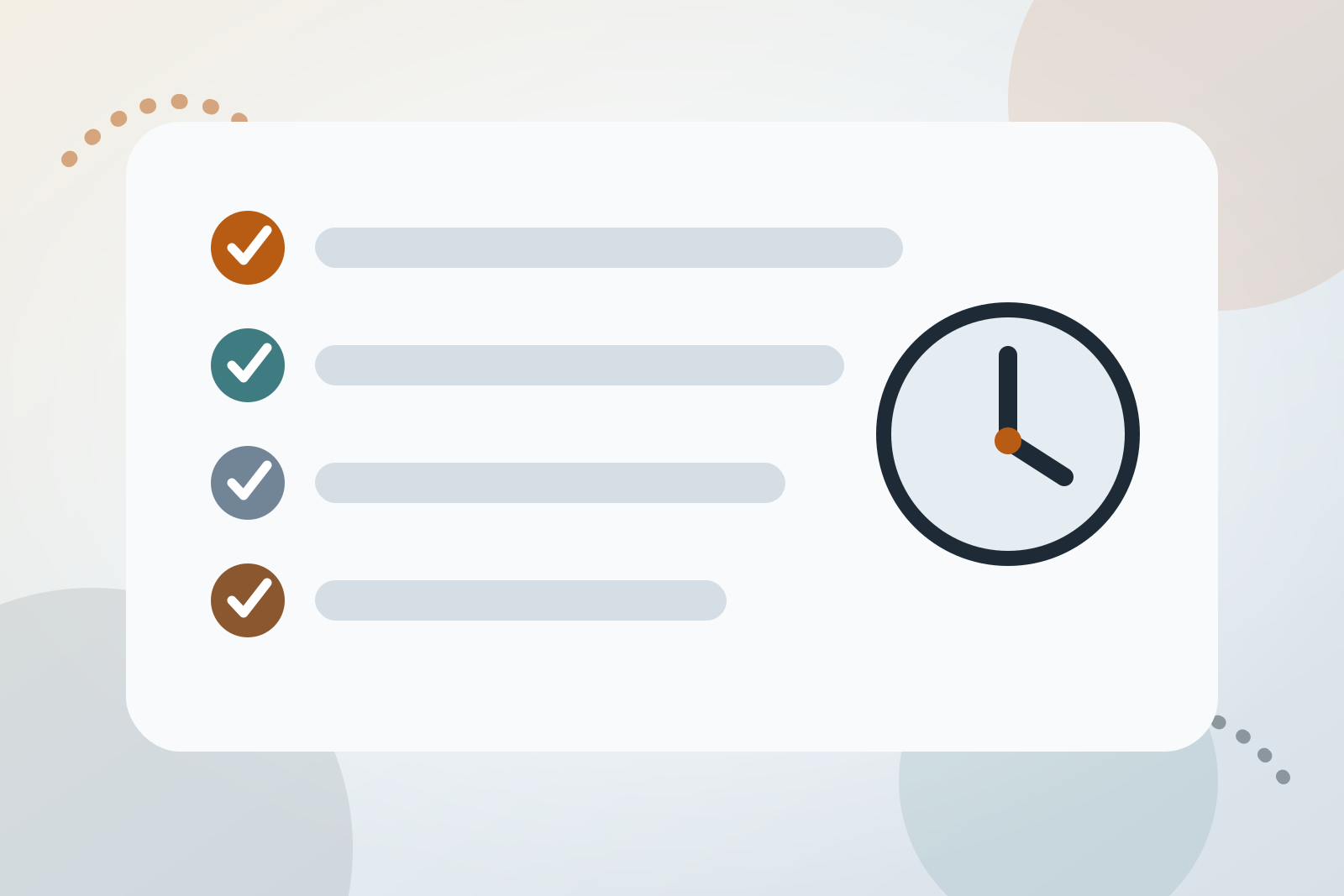
Deleting the betting app feels decisive, but it often leaves other routes open. Spend ten minutes in daylight listing each one.
| Route | What it looks like at night | Possible barrier |
|---|---|---|
| Betting or casino app | Already logged in on your phone | Delete it, self-exclude, add blocking software |
| Phone browser | Typing the site name after the app is gone | Blocking software, Screen Time website limits |
| Second device | Tablet, laptop or console browser in the bedroom | Software on every device, or keep the device out of the bedroom |
| Saved payment details | Card saved in the browser, a wallet or the operator account | Bank gambling block, remove saved cards |
| Money already deposited | A balance waiting in an account | Withdraw it, close the account, self-exclude |
| Venue | Late-opening casino or machines nearby | Venue self-exclusion, not carrying cards at night |
Here is an illustrative example. Someone deletes two betting apps and has a clear week. Then they bet at 1:40am from a tablet on the bedside table. Their map shows that the tablet was the only route still open. The plan worked where it was used. It just missed one door.
Add barriers in order: slowest to set up first
Some barriers need forms, phone calls or time to take effect. Do these during the day, when deciding is easier. In Great Britain:
- Bank gambling block. Many banks let you block gambling payments on your cards, often from inside the banking app. GamCare says these blocks work best alongside blocking software and self-exclusion, as layers of protection. Check which accounts and cards the block covers.
- Self-exclusion. The Gambling Commission says that when you self-exclude, the business must close your account, return any money in it and remove you from its marketing. GAMSTOP, a multi-operator scheme, covers online operators licensed in Great Britain. GAMSTOP says a new registration can take up to 24 hours to take effect, so don't rely on it alone for tonight.
- Blocking software on every device. GambleAware says people are more likely to manage their gambling when they combine blocking software, bank card blocks and GAMSTOP with the free treatment on offer.
- Remove leftover money and saved cards. Withdraw any balance and delete payment details stored in browsers and wallets.
If you live outside Great Britain, look for your local equivalents: payment blocks, regulator self-exclusion schemes and a national helpline.
If gambling ads or offers often arrive in the evening, preparing for gambling ads and promotions covers unsubscribing and muting before they land.
Set a phone wind-down that a tired you can't undo in seconds
On iPhone, Apple's Screen Time lets you schedule Downtime. During Downtime, only the apps you choose to allow and phone calls are available. Under Content & Privacy Restrictions, you can also add specific websites to a block list and protect the settings with a Screen Time passcode.
These are general device controls, not gambling tools, so a few practical points:
- Start Downtime before your risky window, not at its peak. If trouble usually starts around 11pm, a 10pm start gives you a buffer.
- Keep Phone and Messages allowed. A barrier should never stand between you and help.
- Consider the passcode. If you set it yourself, it is a speed bump, not a wall. Some people ask a trusted person to set it instead. That is a personal choice, not a requirement.
- Add physical distance. Charging the phone in the hallway and using a cheap alarm clock can do more than any setting.
Run a 2am test on every barrier
A barrier you set up at lunchtime has to work for the person you are at 2am: tired, alone and possibly annoyed. Go back through your route map and ask three questions for each barrier:
- How many steps would it take to undo? One tap is weak. A waiting period, a form or a phone call is stronger.
- Does undoing it need someone else? Barriers involving another person or organisation are harder to quietly reverse.
- Is there a gap beside it? A blocked app with an open browser is half a barrier.
Mark each route as open, slowed or closed. Then fix the weakest open route first, not the one that is easiest to fix.
If checking whether a block works means visiting gambling sites, and that might itself stir an urge, ask someone you trust to check it or skip the check. You don't have to prove a barrier works by testing yourself.
Start the routine an hour before the trigger
Late-night triggers are easier to handle if your routine starts before they do. Pick a fixed time about an hour before your usual risky window. At that time, put the phone on the hallway charger and the cards in a drawer, and let Downtime begin. Doing the same steps every evening means you decide once instead of every night.
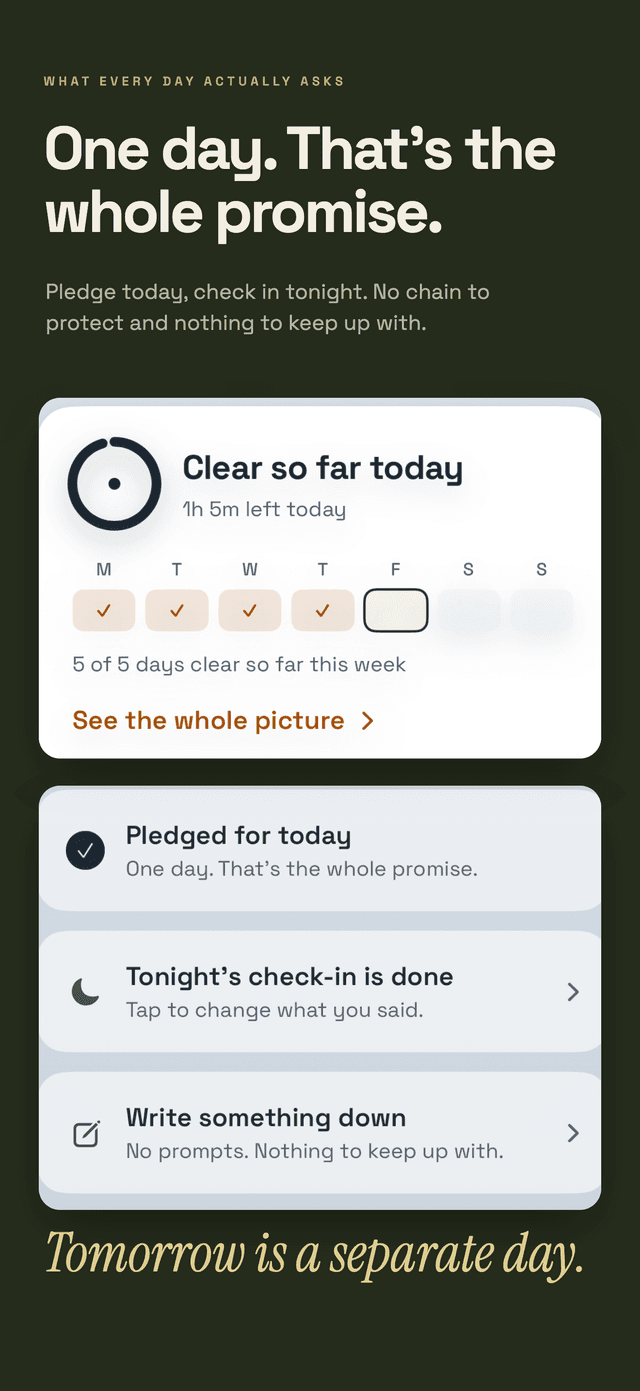
Hard Bit can support this part. You log urges and bets against a gambling habit, and each habit keeps its own difficult hour. With Hard Bit Plus, the app can learn your hard hours from your own entries and warn you before one arrives. Everything is calculated on your phone, and it makes no prediction until you have at least five entries. Hard Bit does not block apps or payments. It is a reminder to start your own routine, which you can read more about in the Hard Bit overview. A note on paper and a phone alarm can do the same job.
If your late nights are usually built around overnight fixtures, handling gambling urges during live sport covers that situation in more detail.
When barriers are not enough
Barriers buy time between the urge and the bet. They do not deal with the reasons behind it, and none of them is complete. If you keep finding new routes around your own blocks, that is a sign to get more support, not to try harder alone.
The NHS lists the National Gambling Helpline, run by GamCare, on 0808 8020 133. It is free and open 24 hours a day. You don't need to be in crisis to call. People in England can self-refer to an NHS gambling clinic or ask a GP about local services. If debt is building up, get free debt advice instead of trying to win the money back.
If you are having thoughts of harming yourself or feel unsafe, call 999 or your local emergency number. In the UK, you can also call Samaritans free on 116 123 at any hour, or call NHS 111 and choose the mental health option.
If you gamble despite the barriers, write down which route you used. That route is the next one to close. One night does not cancel the clear nights before it. Measuring gambling progress beyond a perfect streak explains how to keep both in view.
You can find more practical gambling guides in the Hard Bit guide library. Our editorial policy explains how we check health and support information.
Frequently asked questions
Why do late-night gambling triggers feel harder to resist?
There is no single answer that fits everyone. Late at night, phones are within reach, online betting never closes, other people are asleep and tiredness can make consequences feel further away. Research on venue gambling links late play with more harm, but your own pattern may centre on payday, sport or stress instead. A couple of weeks of notes will tell you more than a general rule.
Is deleting the betting app enough?
It helps, but it usually closes only one route. Browsers, second devices, saved cards and money left in accounts can all remain open. Map your routes and layer barriers. GamCare and GambleAware both recommend combining payment blocks, blocking software and self-exclusion.
Should someone else hold my Screen Time passcode?
It can make the setting harder to switch off on a difficult night, and some people find that reassuring. Others prefer to keep control and rely on physical distance instead. Choose what you can keep doing, and make sure calls and messages stay available.
Do I need to set up every barrier at once?
No. Start with the route you used most recently, and with the barriers that take longest to apply, such as a bank block or self-exclusion. Then add one layer at a time and repeat the 2am test.
Can Hard Bit block gambling sites or payments?
No. Hard Bit is a private tracker. It records urges and bets, learns difficult hours from your own entries and offers a hard-moment flow. Use your bank, blocking software and self-exclusion schemes to actually block access.