If you have been offered a vape and don't know what to do, keep it simple. Give one short line you already know, such as “No thanks, I've stopped.” Then make a physical move: step back, pick up a drink, change the subject, or walk away for a few minutes. Later, write down who offered, where you were and what time it was. Offers tend to repeat, and the next one is easier to plan for once you have seen the pattern.
You don't need to win an argument or justify your decision. You only need to get through the next few minutes without the vape in your hand.
Why an offer can feel harder than a craving
A craving comes from inside. An offer adds other things: the device is right in front of you, the person is often someone you like, and turning it down can feel rude. That's why one held-out vape can feel harder than an urge you have handled alone many times.
Smokefree.gov lists being offered a vape among common social triggers, along with parties, drinking alcohol and seeing vapes on social media. That helps. It means the difficulty is a known part of quitting, not a sign that you are weak.
Many people also find that an offer catches them half-agreeing before they have thought about it. That is our editorial observation rather than a research finding, but it is why the steps below focus on preparing ahead instead of deciding in the moment.
Choose a reply before you need it
Smokefree.gov recommends planning a reply to an offer in advance and keeping it short and direct. Quit, the Australian public-health program, suggests practising a simple line such as “No, thanks. I quit.”
Choose one line for each kind of person who is likely to offer:
- A close friend: “I'm not vaping at the moment. Don't let me have one, even if I ask.”
- A partner or housemate: “Can you keep it out of my way this month? I'd appreciate it.”
- An acquaintance or someone at a party: “I'm good, thanks.”
- A colleague: “Not for me. I'll come out for the chat, though.”
- Someone who pushes: “I said no. Let's talk about something else.”
If you are cutting down rather than quitting completely, “I'm not vaping right now” is accurate and just as short. You don't owe anyone a detailed account of your goal.
Say the line out loud once or twice when you are calm. It sounds odd at first, but a sentence you have already said is easier to reach for when someone is holding out a device.
Make a move straight after you say no
A reply on its own can leave you standing in the same place with the vape still in view. Quit suggests bringing something to keep your hands busy, sipping water and taking a walk around the block if things get tough. Pick one of these and connect it to your reply:
- Say the line.
- Change your position. Step back, turn toward someone else, or go to the bar, the kitchen or the toilet.
- Give your hands a job. Hold a drink, your keys or your phone.
- Change the topic. Have one question ready that gets the other person talking.
If the offer comes on a work break, the guide to handling a vape break without vaping covers how to keep the break and change what happens during it.
If the urge stays strong after the offer, use a short sequence like the one in a five-minute plan for the start of a craving. The five minutes give you a structure for deciding. They don't guarantee the urge will be gone by then. How long cravings last varies.
Ask the people who offer most often to stop offering
Quit's advice is to decide what you will say to friends who vape, tell them you have stopped, and politely ask them not to offer. Most people won't know you have changed anything unless you say so.
You might send a message before you see them:
Quick favour: I'm off the vape for now. If I ask for one later tonight, say no. Thanks.
This asks for something specific. It doesn't ask them to stop vaping or to change their evening. It also hands the next refusal to someone else, which can help late at night when your own resolve is lower.
If someone keeps offering after you have asked, that's useful information, not a test you have to pass. Quit suggests limiting time with people who vape during the first few weeks, perhaps by calling instead of meeting. Smokefree.gov's quit-plan guidance also suggests changing who you spend time with or follow on social media, at least for a while. A temporary change doesn't have to end a friendship.
Plan for the hours and places where offers happen
The same offer can be easy to turn down at lunchtime and much harder at 11pm, after two drinks, in a smoking area. Smokefree.gov includes both parties and drinking alcohol among vaping triggers. When several of these come together, a single plan might not hold.
After each offer, write down four things:
- When: the day and the time.
- Where: a party, a car, a garden, a work break, someone's flat.
- Who: the same person again, or someone new.
- What happened: you declined, you moved away, or you vaped.
After a few weeks, you may find your offers mostly come at certain times rather than at random. For example, they might cluster on Friday nights with one friend, or in a 3pm break with one colleague. The method in tracking the hours you are most likely to vape shows how to turn those notes into a timetable you can prepare for.
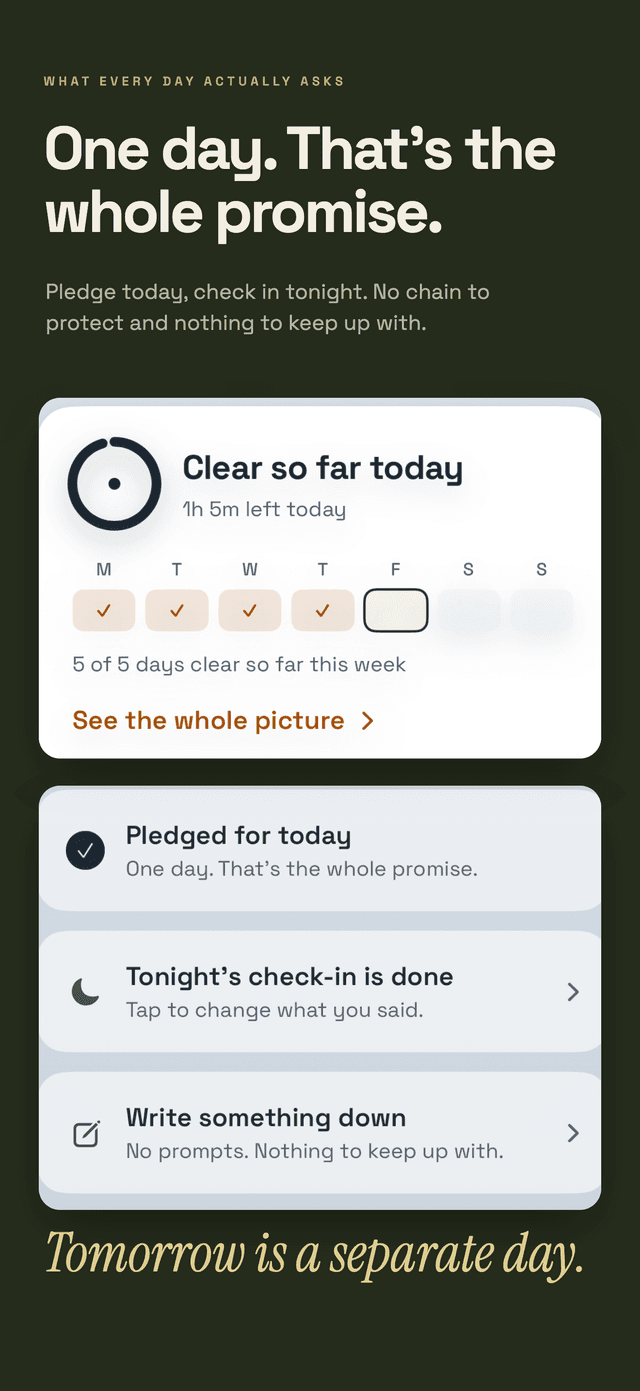
Hard Bit is one optional way to keep this record on iPhone. You can log a hard moment or a use against your vaping habit, keep notes in the journal, and save a personal sentence that appears in the hard-moment flow. With Hard Bit Plus, the app learns your difficult hours on the device from your own entries and can warn you before one arrives. It makes no prediction with fewer than five entries and relies fully on your history at about twenty. It can't stop an offer, but it can remind you before a likely difficult hour. The Hard Bit overview explains the workflow and its limits.
If you said yes, keep it in the record
Sometimes you'll take the vape. That doesn't erase the days or offers you turned down before.
Deal with the next few minutes first. Hand the device back, move away from the group, and get some water. Then, when you are calm, write down what happened just before. Was it the second drink, the person, the hour, or the fact that you hadn't eaten? Choose one thing to change for the next similar evening, such as messaging the friend in advance, leaving earlier or staying out of the smoking area.
Avoid harsh labels when you write it up. The guide to tracking vaping without turning it into shame shows how to write entries that help you plan. If you want a fuller picture than one streak, try measuring vaping progress beyond a perfect streak. Counting offers you declined is one honest measure.
Know when an offer points to more support
Turning down offers is a social skill. It doesn't treat nicotine withdrawal. The NHS lists strong cravings, irritability or low mood, trouble concentrating, extra hunger and difficulty sleeping as possible withdrawal symptoms after stopping nicotine vapes. If offers are hard because withdrawal is strong, a better reply alone may not be enough.
Evidence-based help is available:
- In the UK, the NHS suggests asking a pharmacist or stop-smoking adviser about nicotine replacement, and describes gradual options such as vape-free places or times.
- In Australia, Quit says Quitline counsellors can help you plan for friends who vape.
- In the US, Smokefree.gov offers quit-vaping resources, and you can talk to a healthcare professional about your options.
If vaping helped you stop smoking, take that into account. The NHS advises quitting vaping only when you are confident you can do it without going back to cigarettes, and a stop-smoking adviser can help you decide on timing. If you have severe distress or thoughts of self-harm, contact local emergency or crisis services.
Our editorial policy explains how Daily Life Apps separates general health guidance from product information.
Frequently asked questions
Do I have to explain why I'm not vaping?
No. Quit-service advice favours short, direct replies. “No thanks” is enough. You can say more to close friends if it helps them support you, but you don't owe anyone an explanation.
What if my partner or housemate vapes at home?
Ask for something specific and practical, such as not offering, keeping the device out of shared spaces, or vaping outside. The NHS describes choosing vape-free places and times as part of cutting down, and a shared home is a reasonable place to start.
Should I avoid friends who vape?
Possibly, for a while. Quit suggests limiting time with people who vape in the first few weeks and calling them instead. You can also meet in places where vaping isn't allowed or doesn't usually happen.
What should I say if I'm cutting down, not quitting?
Use a line that is true for you, such as “I'm not vaping right now” or “Not tonight, thanks.” Cutting down is a valid goal, and offers can still catch you out, so it's worth having the reply ready.
What if I've never vaped and just don't want to start?
The same approach works. Say a short “No thanks,” then change the topic or your position. You don't need to give a reason. If someone keeps pushing, it's fine to leave the group.