A difficult night after quitting cannabis is easier when you stop treating it as one long test. Break it into smaller parts.
- Prepare before evening: remove access, set up a second room, and write down why you are doing this.
- When an urge comes, change rooms and put off the decision for a short while.
- If you cannot sleep, stop fighting it. Get up and do something quiet.
- If you feel severely unwell, frightened, or unsafe, contact professional or urgent help instead of pushing through alone.
The aim tonight is not a perfect night's sleep. It is reaching the morning without being forced into a choice you did not plan to make.
Why nights can feel harder after cutting down
For many people, cannabis was part of how the day ended. It may have been linked to sleep, to winding down, or to the hour after everyone else goes to bed. When that habit stops, the evening loses its usual ending, and the urge often shows up right where the habit used to be.
Some of what follows is established, and some is still being studied.
- Established: WithYou, a UK drug and alcohol charity, lists sleep problems, strange dreams, anxiety, irritability, and sweats among cannabis withdrawal symptoms. It says symptoms usually peak about four days after you stop or cut down, that most stop by about 10 days, and that some people have them for up to four weeks. A clinical review in Substance Abuse and Rehabilitation notes that cannabis withdrawal is recognised as a criterion for cannabis use disorder in the DSM-5 diagnostic manual.
- Still being studied: A systematic review by Gates and colleagues found that sleep was often disrupted during cannabis withdrawal. The authors also said weaknesses in most studies prevent firm conclusions about which specific aspects of sleep are affected. No one can tell you exactly how many difficult nights you will have.
- Lived experience: People often describe vivid dreams, lying awake until the early hours, and urges that come back near bedtime. Your nights may follow a different pattern.
None of this means something is wrong with you. A hard night is an expected situation you can plan for.
Prepare the evening before it starts
The most useful work happens while you still feel steady, usually in the afternoon or straight after work. Choose three things.
- Remove access. If there is cannabis, a grinder, or a vape in the house, decide now what happens to it. Getting rid of it, giving it to someone, or locking it somewhere awkward all make the late-night decision slower. Delete a dealer's number or mute the chat if that is part of your pattern.
- Prepare a second room. Choose a place that is not your bed: a chair in the kitchen, the sofa with a lamp, or the floor with a blanket. Put a glass of water, a book, or something to do with your hands there. You will use this spot if the urge or the sleeplessness gets loud.
- Write one sentence. Make it specific and kind, not a threat: "I want to wake up clear for Saturday," or "I want to know if I can sleep without it." Write it now, because sentences written during a craving tend to be harsher and less convincing.
If the evening itself is the hard part, Cannabis Cravings After Work: Plan the Transition covers the stretch between finishing work and settling in for the night.
Also eat a proper evening meal. Appetite can change during withdrawal, and for many people hunger and tiredness make an urge feel louder. It is easier to prevent that than to reason with it at midnight.
When the bedtime urge arrives
Many people find the strongest urge comes right where the old routine used to sit: after a show, after the house goes quiet, or just before getting into bed. When it starts, keep the decision small.
- Name it plainly. Say to yourself: "This is the urge that used to come at bedtime." That separates the feeling from an order you have to follow.
- Change rooms. Go to the second room you prepared. Moving your body can interrupt the automatic sequence in a way that lying still and arguing with it often cannot.
- Delay the decision. Tell yourself you will decide after one task: making tea, washing your face, or reading two pages. Then pick another task if you need to.
- Read your sentence. Read the line you wrote earlier, out loud if that helps.
WithYou suggests delaying a session by five minutes while you do something else, such as having a shower or a cup of tea, because the craving may have passed by the time you finish. You can then try stretching the delay to 10 or 15 minutes. Treat this as a way to make space for a decision, not a guarantee. Some urges pass quickly, and some come back several times in one night. You do not need to know when it will end. You only need to get through the next few minutes.
For a step-by-step version of those first minutes, see A Five-Minute Plan for the Start of a Craving.
If you cannot sleep, stop fighting it
Craving and sleeplessness often arrive together, but they need different responses. With a craving you delay and redirect. With sleeplessness, the advice from NHS sleep guidance is to stop forcing it.
The NHS Good Sleep Guide from Shropshire, Telford and Wrekin suggests that if you have been awake for more than about 20 minutes, you get out of bed, go to another room, and do something calm. Go back to bed when you feel sleepy. In practice:
- Use the second room again, with low light.
- Choose something dull and low-effort: a paper book, folding laundry, a jigsaw, or a slow cup of a caffeine-free drink.
- Keep the phone away from the bed, especially apps or chats that remind you of buying or using.
- Avoid checking the time over and over. Counting the hours left until the alarm tends to increase pressure, not sleepiness.
Some people find it helpful to remember that one poor night is uncomfortable but survivable. You do not have to make up for it tonight.
If you used cannabis as your main way of getting to sleep, it may take time to build a different routine. Speak to a GP or pharmacist before trying sleeping tablets, sedating medicines, or alcohol in its place. Swapping one sedative for another can create a new problem. If your cannabis is prescribed, talk to your prescriber before changing how you use it.
Waking at 3am with vivid dreams or a racing mind
Waking in the middle of the night, sometimes after an intense dream, is one of the experiences people most often describe. It can feel disorienting, and the urge can come back with it.
Try a short orientation sequence:
- Sit up and put your feet on the floor.
- Name three things you can see in the room.
- Drink some water.
- Remind yourself that vivid or strange dreams are a recognised withdrawal experience, not a warning sign about you.
- If you are still wide awake after a while, use the second room again.
If your mind is racing with worries, write them down in one line each and close the notebook. You can deal with them in daylight.
Get help promptly if, rather than ordinary restlessness, you notice hallucinations, strong paranoia, feeling detached from reality, chest pain, or thoughts of harming yourself or someone else. In the UK, call 999 in an emergency or NHS 111 for urgent advice. Elsewhere, contact your local emergency number or a crisis line. These are not things to manage alone with a coping plan.
What to record the next morning
The morning after a hard night is the best time to collect useful information, while the details are still fresh and the pressure has gone. Keep it short:
- What time the urge was strongest.
- What happened right before it.
- What you tried, and what helped even slightly.
- Whether you slept, and roughly when.
- Whether you used, without judging yourself for it.
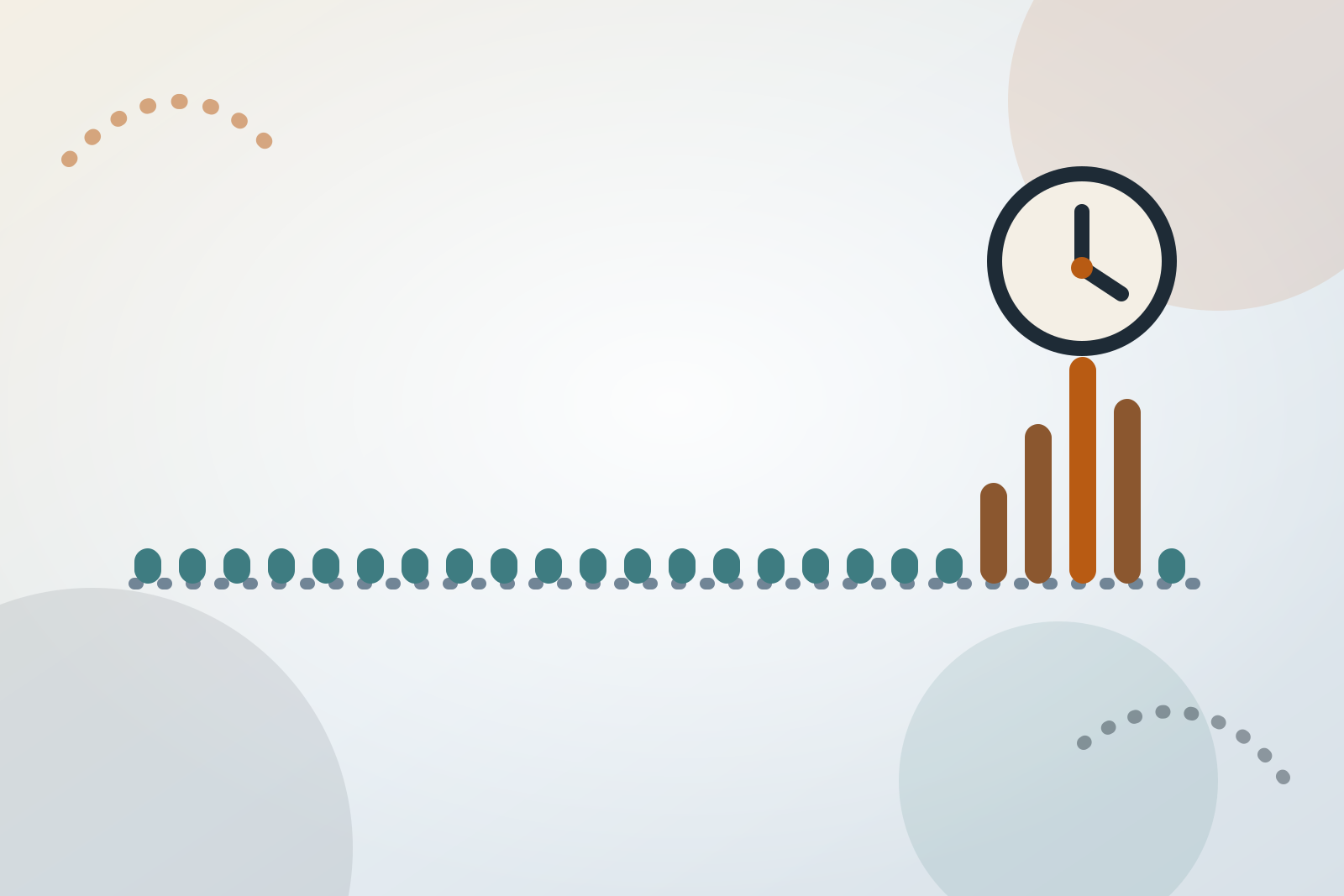
Over several nights, these notes can show whether your hard hour is 10pm or 2am, and whether some evenings go better than others. How to Track the Hours You Are Most Likely to Use Cannabis explains how to turn those notes into a pattern you can plan around.
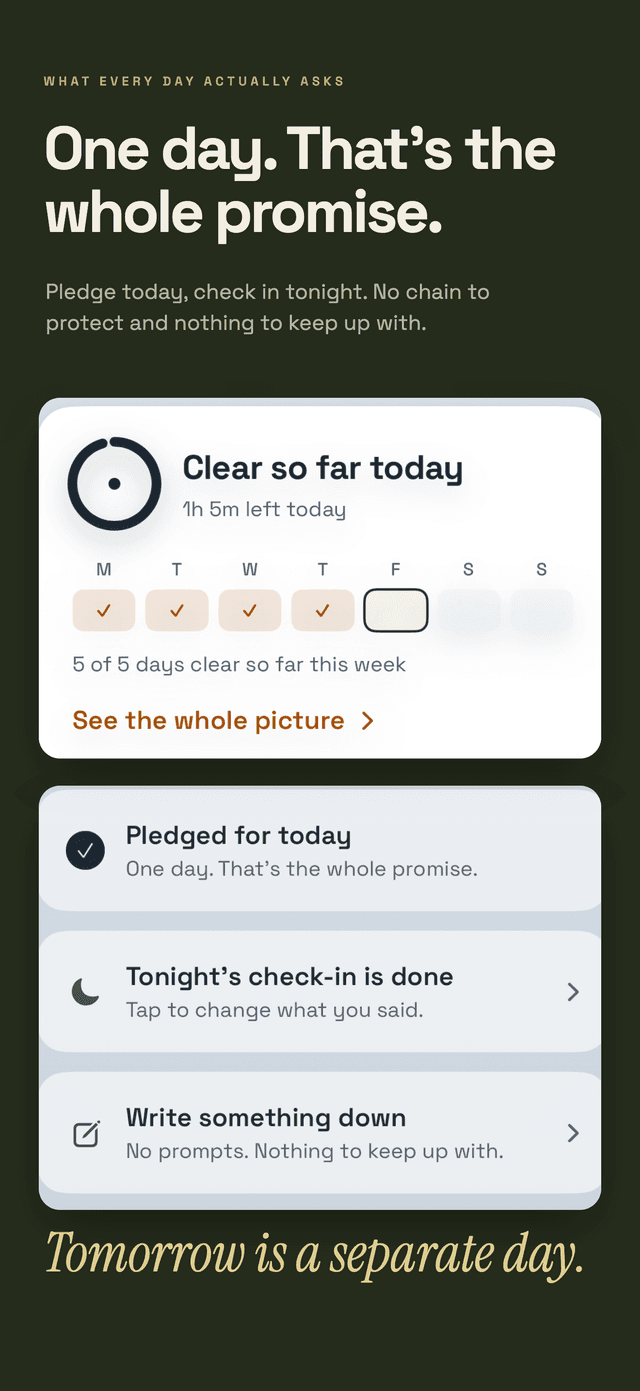
Paper works for this. If you prefer your phone, Hard Bit keeps a private record on your iPhone, with a separate counter, log, and difficult hour for cannabis. The counter, logging, and hard-moment button are free. Hard Bit Plus adds an on-device forecast of your likely hard hours and a warning before one arrives. It makes no prediction with fewer than five entries. The Hard Bit overview explains how this works.
If tonight did not go to plan
If you used tonight, the night still tells you something. Note when and where your plan stopped fitting the situation, and change one condition for next time: remove access earlier, eat earlier, or move the second room closer.
The clear nights you already had still count. How to Measure Cannabis Progress Beyond a Perfect Streak shows how to keep progress visible without letting one night erase everything.
When to get more support
A coping plan is enough for some nights but not all. Consider talking to someone if:
- Sleep problems continue for weeks rather than easing.
- Anxiety, low mood, or irritability are affecting work or relationships.
- You keep returning to cannabis at the same hour despite planning.
- You use other substances, including alcohol, to get through the night.
In the UK, NHS guidance says a GP is a good place to start, and you can also contact your local drug treatment service directly. The FRANK helpline, 0300 123 6600, can talk you through your options. In other countries, a doctor or your national drug information service can point you to local support.
If you are in immediate danger or feel at risk of harming yourself, contact emergency services now. More support routes are listed on the Hard Bit support page. Our editorial policy explains how we review health information.
Frequently asked questions
How many difficult nights should I expect after quitting cannabis?
There is no reliable number for everyone. WithYou says withdrawal symptoms usually peak about four days after stopping or cutting down and that most stop by about 10 days, though some people have them for up to four weeks. Sleep research is limited and experiences vary a lot. Plan for tonight, and talk to a doctor if sleep problems continue or get worse.
Is it better to lie in bed or get up when I can't sleep?
NHS sleep guidance generally suggests getting up if you have been awake for about 20 minutes, doing something calm in another room, and going back to bed when you feel sleepy. Lying in bed fighting sleeplessness can make the bed feel like a place of stress.
Should I take something else to help me sleep?
Speak to a GP or pharmacist before using sleeping tablets, sedating medicines, or alcohol to replace cannabis. They can advise on what is safe for you. Using another substance can create a new pattern that is harder to change.
Is a difficult night a sign I should not be cutting down?
Not necessarily. A hard night is common when a long-standing routine changes. If nights stay very difficult, your mental health is suffering, or you feel unsafe, that is a reason to get support rather than a reason to give up on your goal.