If you're facing a difficult night after quitting gaming, don't try to win the whole evening at once. Take it in stages. Check in briefly before the evening starts. Decide now what you'll do at the time you used to log in. When the urge peaks, make the next decision smaller. Protect the last hour before sleep. Tomorrow morning, write two honest lines about how it went.
If tonight involves feeling unsafe, thoughts of self-harm, or a crisis, skip the plan and contact urgent support now. The section on support near the end lists where to go.
Why some evenings feel much harder than others
Most evenings after quitting are uneventful. Then one isn't. It usually doesn't come from nowhere. Common ingredients include:
- a bad day that left you wanting to switch off,
- an empty stretch with nothing scheduled,
- friends going online at the time you used to join them,
- a new season, update, or event you know is live,
- being tired enough that every decision feels expensive.
When several of these arrive together, the pull can feel stronger than it has for weeks. That doesn't mean you're back at the start, or that something is wrong with you. It means tonight has more cues than usual, so it needs more preparation than usual.
A note on language. The World Health Organization recognises gaming disorder as a clinical diagnosis. It describes impaired control over gaming, gaming taking priority over other parts of life, and continuing despite harm, usually over at least a year. Having one hard night doesn't tell you whether that applies to you. This article is about getting through tonight, not labelling yourself.
Before the evening starts: a ten-minute check-in
The earlier you prepare, the less willpower the night will need. Pick a fixed time, such as when you get home or finish dinner, and run through four questions:
- What's different about tonight? Name the cue: "The squad plays Fridays at eight," or "I got bad news at work."
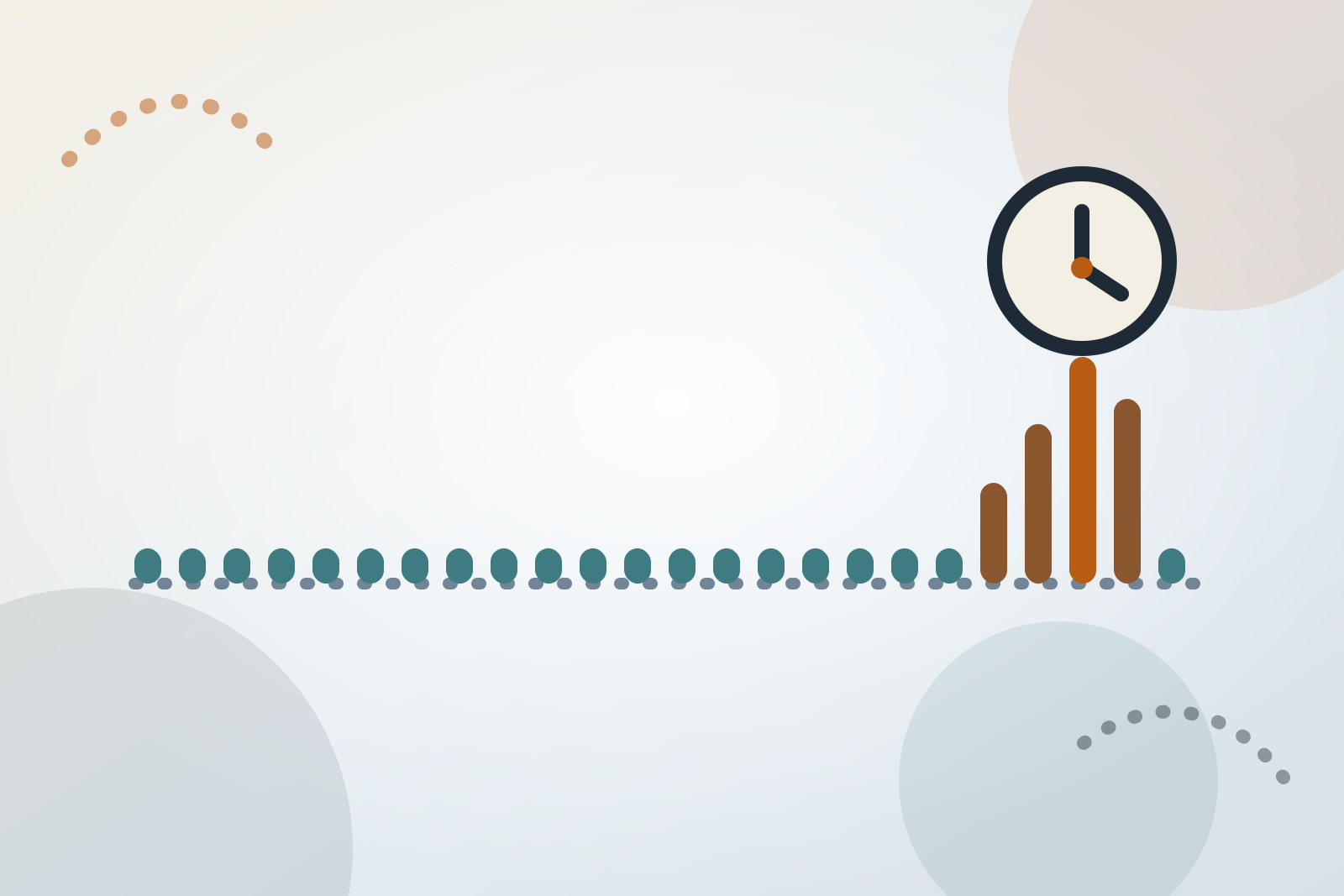
- When is my hardest point likely to be? Usually it's the hour you used to start a session.
- What will I be doing at that time instead? Pick something specific that's already set up.
- Who could I message if it gets loud? Choose one person and draft the text now.
Research on implementation intentions, plans written as "if this happens, then I'll do that", suggests they help people follow through on goals in many areas, including health. That research isn't specific to gaming, but the format is easy to borrow: "If my friends start a lobby at eight, I'll put my headset in the hall cupboard and start the walk I've already planned."
If you haven't written a general plan yet, make a craving plan for gaming before you need it. Tonight's check-in then just adjusts that plan for this one evening.
At the old login time: replace the first five minutes
Habits tend to keep the old schedule even after you've stopped playing. Around the time you used to start, the urge can feel automatic: you sit down in the usual place, then reach for the controller or open the launcher before you've really decided anything.
Don't try to fill the whole evening. Just plan the first five minutes and make them hard to skip:
- leave the room where the console or PC lives,
- start a shower, a cooking task, or a call that has a natural length,
- put on shoes and step outside, even briefly,
- sit somewhere that has never been a gaming spot.
Choose something that fills the same need gaming did. If the night is really about boredom, social connection, or decompressing, the replacement should fit that need. Boredom and gaming urges: replace the default explains how to match a replacement to the reason behind the urge.
Make access a little harder before this point, not during it. Unplug the console and put the cable in a drawer. Log out of the launcher. Mute the group chat until morning. These small barriers give you a pause between wanting to play and actually playing.
When the urge peaks: make the next decision smaller
You may still hit a point where the pull feels very strong. At that point, "I'll never play again" is too big a question. Ask a smaller one: "What will I do for the next ten minutes?"
A short sequence can help:
- Name it plainly. "I really want to log in right now."
- Change your position. Stand up and move to another room.
- Read your reason. Use a sentence you wrote when you were calm, such as: "I want my evenings to feel like mine again."
- Do one bridge action. Wash up, walk around the block, or send the message you drafted.
Some people find it helps to watch the urge rise and fall without acting on it. This is a coping technique, not a promise. Urges don't follow a fixed timetable, and one can come back after it fades. The aim is to give yourself space before deciding, not to wait for a timer to run out. For a step-by-step version, see a five-minute plan for the start of a craving.
In Hard Bit, the hard-moment flow keeps this to a single button and shows the personal sentence you saved for that habit. It's one way to keep your reason within reach. A note on your lock screen works too.
The last hour before bed
The late stretch is when tiredness makes "just one match" sound reasonable. Treat it as its own stage:
- set the time you'll start getting ready for bed, and stick to it,
- charge your phone and devices outside the bedroom if gaming apps live on them,
- choose a low-effort ending: a book, a podcast, a stretch, or tidying for tomorrow,
- keep the room you sleep in free of controllers and handhelds.
If you're cutting down rather than stopping, and you do plan to play, decide on your exit before you begin. Late-night gaming urges: set an exit before you start covers that situation in detail.
If you play anyway
A slip partway through the evening doesn't have to become the whole night. The thought "tonight's already ruined" is often what turns one match into four hours.
If you've started playing:
- stop at the end of the current match or the next save point, and don't queue again,
- close the game fully instead of leaving it suspended,
- move the controller out of the room,
- do one ordinary thing, like brushing your teeth, to mark a clear break.
If multiplayer queues are where the night usually runs away from you, how to stop one more match from becoming the whole night sets out a cutoff that doesn't depend on winning or losing.
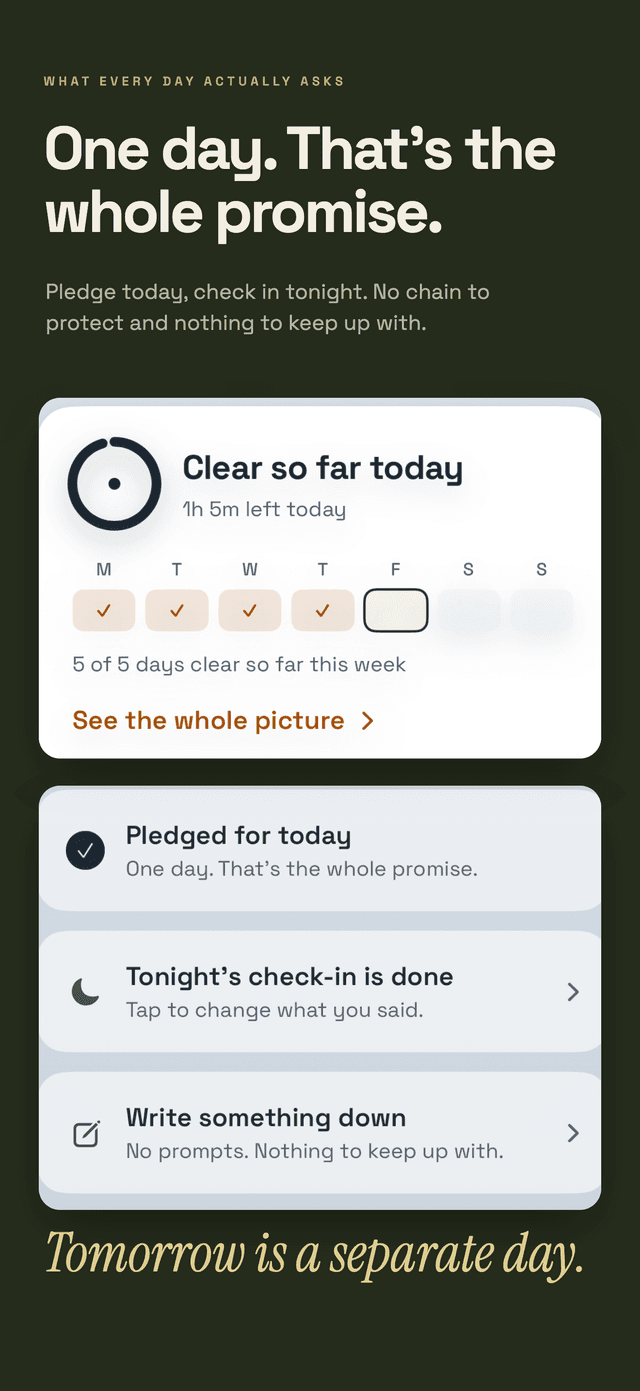
Don't delete the evening from your record or tell yourself the earlier days no longer count. In Hard Bit, logging a use adds the day to your history and doesn't reset your counter to zero. That way the difficult night stays visible in your record. How to measure gaming progress beyond a perfect streak explains why total clear days and frequency can show change that a single streak hides.
The morning after: two lines and one change
When you're rested, write two short lines:
- What made last night hard? For example: "Bad day, Friday lobby at eight, nothing planned."
- What helped, even a little? For example: "Leaving the living room. Texting Sam."
Then choose one change for the next similar evening. You might book a regular Friday plan, move the console out of the living room, or mute the group chat from seven. A single change you actually make is worth more than a long list of resolutions.
Over a few weeks, these notes can show whether your hard nights cluster on certain days or hours. Hard Bit is an optional iPhone app that keeps separate logs for each habit for free. With Hard Bit Plus, it learns each habit's difficult hour from your own logs, calculated on your phone, and can warn you before that hour arrives. It makes no prediction until you have at least five entries and leans fully on your own data at around twenty. There's no account, and your history never leaves the device. The Hard Bit overview explains how that works, but a paper notebook can show the same patterns.
When a hard night is a sign you need more support
Self-help is designed for difficult evenings, not dangerous ones. Reach out for more support if:
- hard nights keep happening despite changing your plan,
- gaming is affecting work, study, sleep, money, or relationships in ways you can't turn around,
- you feel low, hopeless, or isolated after a night like this.
In England, the NHS National Centre for Gaming Disorders helps people aged 13 and over who struggle to control their gaming, and it accepts self-referrals. It runs part-time and isn't a crisis service. Elsewhere, a GP or local mental health service is a good first step.
If you feel unsafe or are thinking about harming yourself, call 999 (or your local emergency number), or go to A&E. In the UK and Ireland, Samaritans answers 24 hours a day on 116 123. In England, NHS 111 online or a call to 111 can also help with urgent mental health needs. Our editorial policy explains how Daily Life Apps reviews health information like this.
You'll find more planning guides in the Hard Bit guides.
Frequently asked questions
Is it normal to have a really bad night weeks after quitting gaming?
Many people find that hard evenings still come up after a calm stretch, often when several cues stack up at once. A difficult night doesn't erase the progress before it. Treat it as information about which situations need more preparation.
Should I stay up until the urge passes?
You don't have to. Tiredness makes decisions harder, so going to bed at your usual time, with devices outside the bedroom, can be a perfectly good way to end the night. An early night counts as getting through it.
Do I have to delete my games to get through tonight?
Not necessarily. For one hard night, extra friction is often enough: unplug the console, log out, or mute the group chat. Whether to remove games permanently depends on your goal and on what has worked for you before.
What if my friends are all playing tonight?
Tell one friend you're taking the night off, and suggest a different way to connect, like a call, a walk, or meeting in person another day. Muting the chat for the evening can stop the invites from becoming repeated cues.