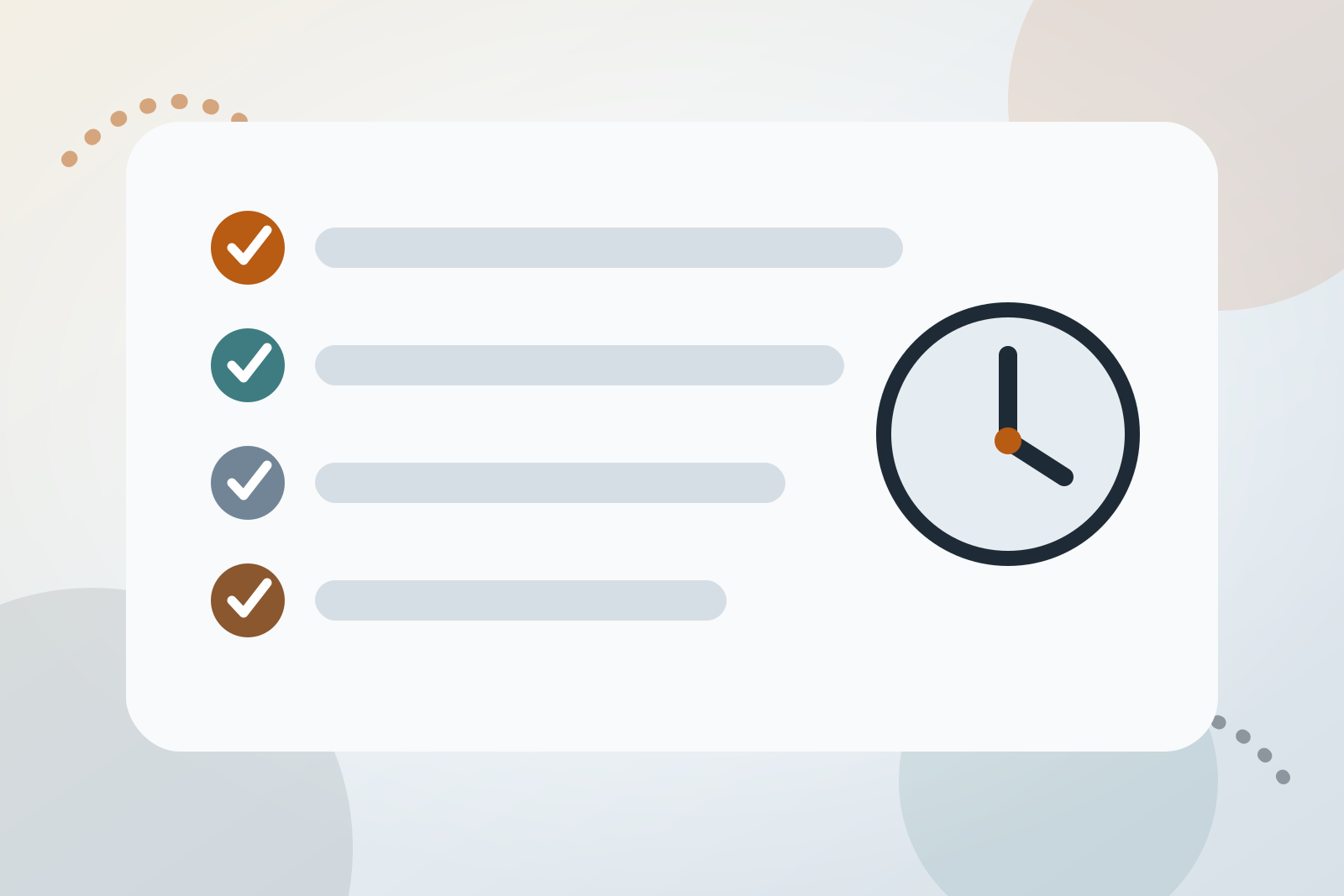
A gambling craving plan is a short set of decisions you write down on a calm day. When an urge arrives, you follow steps you already chose instead of making them up under pressure. A useful plan fits on one page and covers seven things: your early warning signs, your riskiest hours, the money barriers you have already set up, your first move, a bridge activity, a named person and helpline, and what you will do afterwards.
Write it this week. Rehearse it once. Review it after the next hard moment.
The checklist below explains each line, with an example you can adapt.
Why to write the plan before the urge arrives
Researchers are still studying craving in gambling. A 2023 systematic review in the Journal of Behavioral Addictions found it appears linked to emotional states and to "negative urgency", meaning a tendency to act rashly when distressed. That research comes mainly from people with gambling disorder, so it does not describe every urge. Still, it fits a practical point: decisions made under strong feeling are often fast and narrow.
A plan moves the thinking to a better time. On a calm evening you can weigh options, ask for help, and set up barriers. During an urge, you only need to read the next line.
Keep the plan short enough to use. A long worksheet you never open is less useful than seven lines you can read in under a minute.
Checklist line 1: Your early warning signs
Most urges have a run-up. Write down the first two or three signs that a risky stretch is starting. These examples come from common experience. They are not a clinical list:
- checking odds or scores "just to see"
- reinstalling a betting app or reopening a closed account
- working out what you could "win back"
- payday, a bonus, or an unexpected payment landing
- feeling flat, restless, or alone after work
Example line: "My signs: opening a scores app twice in ten minutes, and thinking about my balance after 9pm."
If chasing losses is part of your pattern, add that as its own sign. Gambling urges after a loss explains how to build a pause into that moment.
Checklist line 2: The hours and situations most likely to test you
"Evenings are hard" is too broad to plan around. "Saturday after the late match, alone, phone in hand" is something you can prepare for.
For two or three weeks, write down when urges happen, where you were, and what came just before. Then put the one or two clearest combinations into your plan. The method in how to track the hours you are most likely to gamble works on paper as well as on a phone.
If you use Hard Bit, each habit keeps its own difficult hour from your logs. Hard Bit Plus adds a forecast, worked out on your device from your own history, that can warn you before a likely hour. It makes no prediction until you have five entries, and it relies fully on your record at about twenty. Whichever method you use, treat early patterns as rough guesses, not fixed rules.
Example line: "Hardest times: Friday 9–11pm and the evening after payday."
Checklist line 3: Money barriers you set up in advance
Barriers do the job you should not have to do with willpower in the moment. Set them up on a steady day:
- Bank gambling blocks. GamCare says many UK banks now let customers freeze gambling transactions. It also warns that these blocks are not permanent and can be switched off, with delays that vary by bank. Write that into your plan: "If I start trying to turn off the block, that is a warning sign. I call the helpline first."
- Self-exclusion. The Gambling Commission lists GAMSTOP as a free scheme covering online gambling websites and apps run by businesses licensed in Great Britain. Betting shops and bingo halls have their own separate schemes. The Commission also suggests blocking software as another option. Check what each scheme covers before relying on it.
- Friction around cash. Remove saved cards from apps and browsers, and ask your bank whether you can lower your cash withdrawal limit. You could also agree with a trusted person that they hold a card for a while. That only works if the arrangement is safe and respectful for both of you.
If gambling has already caused debt, put "contact free debt advice" on the plan as a dated task, not a vague intention. Outside Great Britain, look up your own country's self-exclusion and bank options.
Checklist line 4: Your first move for the next few minutes
This is the line you will use most. It should be physical, quick, and possible wherever you usually are when urges strike.
- put the phone on charge in another room
- log out of every account and close the browser
- leave the venue, or step outside without your wallet
- make a rule to wait: "No bet tonight. I will reconsider tomorrow at noon, after talking to someone."
There is no set number of minutes after which an urge must fade. How long urges last varies. A delay creates room to decide; it does not promise how the next hour will feel. For more options in the moment, see how to handle gambling cravings in the moment.
Example line: "First move: phone to the kitchen charger, kettle on."
Checklist line 5: A bridge activity that fits the hour
A good replacement activity matches your actual time, place, energy, and money. A gym session will not help at 11pm. A long walk is a poor choice if you are a parent alone with sleeping children.
Plan one option for each risky window:
- Late evening: shower without the phone, make toast, put on one saved episode
- During live sport: watch with someone who knows your plan, or check only the final score tomorrow
- Payday afternoon: pay bills and transfer savings before doing anything else
- Commute home: call a friend for the whole journey
If nights are your hardest time, how to get through a difficult gambling night covers that stretch in more detail.
Checklist line 6: One person and one service, written down
Write down a name and a number. Also prepare a message you can send without having to think:
I'm having a strong urge to gamble. I'm safe, but can you call me in the next ten minutes?
Choose someone who will respond calmly rather than lecture you. Then add a service. In Great Britain, the National Gambling Helpline run by GamCare is on 0808 8020 133. It is free and open 24 hours a day, by phone or live chat. The NHS page on help for gambling problems includes a short self-check and explains how to reach specialist NHS gambling services in England; elsewhere, your GP or a local gambling service can point you to support. Outside Great Britain, look up your national gambling helpline and save it now, not during an urge.
If you are thinking about harming yourself, feel unable to keep yourself safe, or face an immediate financial crisis, contact emergency services or urgent mental-health help straight away. A plan on paper is not meant to carry that alone.
Checklist line 7: What you will do afterwards
Decide in advance what happens once the moment has passed, whatever the outcome:
- write two lines about what happened and what helped
- if you gambled, stop any further deposits, tell your named person, and look for the earliest point you could change next time
- change one line of the plan, not the whole thing
A slip is information to work with, not a verdict on you. What to do after a slip with gambling walks through the next steps without shame. In Hard Bit, the counter does not reset after a slip, so the clear days stay in the record next to the difficult one.
Rehearse it, then review it
A plan you have never tried is still a theory. Once, on a calm day, read it aloud. Then do the first move for real: carry the phone to the charger, or send the message to your named person to say they are on the plan. Keep the page somewhere private but easy to reach, such as your phone's notes or a card in your wallet.
Review it after every hard moment, or weekly for the first month. Ask yourself:
- Which line did I actually use?
- Where did the plan stop fitting the situation?
- Did a barrier get switched off, or did I get round it?
- Is the gambling, debt, or distress getting worse?
If the same line keeps failing, change your surroundings or add support rather than demanding more effort from yourself. Repeated loss of control, growing debt, or hiding gambling from people close to you are signs to bring in specialist help.
A filled-in example
- Signs: scores app open twice; thinking about my balance after 9pm.
- Hardest times: Friday 9–11pm; payday evening.
- Barriers: bank gambling block on; GAMSTOP registered; no saved cards.
- First move: phone to kitchen charger, kettle on.
- Bridge: shower, toast, one episode.
- Support: text Sam the prewritten message; National Gambling Helpline 0808 8020 133.
- Afterwards: two-line note; change one line on Sunday.
Yours will look different. What matters is that each line is specific enough to act on when you are tired. Our editorial policy explains how we choose sources and keep general guidance separate from product information.
Frequently asked questions
What should a gambling craving plan include?
At minimum: early warning signs, your riskiest hours or situations, money barriers already in place, a first move, a bridge activity, one person and one helpline, and what you will do afterwards. Keep it to one page so you can use it under pressure.
Can I make a plan if I want to cut down rather than stop?
Yes. Write the limit in concrete terms: an amount, how often, and a stopping point. Add how you will stop when you reach it, and which signs would tell you that cutting down is not working. If limits keep slipping, talk to a specialist service about whether a different goal would be safer.
How often should I update it?
Review it after each difficult moment, and at least weekly while it is new. Change one line at a time so you can see what helps. Update it after life changes such as a new job, a move, or the start of a sports season.
Is a craving plan enough on its own?
For some people it is one useful part of a wider approach. It cannot assess risk, sort out debt, or replace specialist support. If gambling is causing serious harm, contact the National Gambling Helpline, your GP, or a local gambling service. If you are in immediate danger, call emergency services.