Evening alcohol cravings are easiest to handle if you make your plan earlier in the day. By early afternoon, write down four things: when the pull usually starts, what you will do the moment work ends or you get home, what will fill the hardest hour, and who you will contact if the plan is not enough. Then the evening is about following decisions you have already made, not making new ones when the craving is strongest.
If you drink most evenings and get shaking, sweating, or anxiety when you stop, do not stop suddenly. Read the safety section below first.
Why evenings often feel harder
What the research shows. NIAAA's Rethinking Drinking guidance lists times of day as an external trigger, alongside people, places, and things that remind you of drinking. It also says urges are a normal and common part of changing how you drink, not a sign that something has gone wrong.
Emerging evidence. One study asked 215 young adult drinkers to rate their craving six times a day for ten days. Craving followed a 24-hour rhythm, highest around 8pm and lowest around 8am. The authors also describe an earlier, smaller study of late adolescent drinkers with a similar evening peak. Both studies looked at young drinkers, so the results do not tell you what your own evenings will be like. They do suggest that an evening pull is common and not a personal failing.
The practical point. Your routine may matter as much as your mood. Leaving work, cooking, sitting on the sofa, the children going to bed: these happen at roughly the same time each day. Anything that comes back at a predictable time is something you can plan for.
Make the plan at midday, not at the peak
A plan made at 7pm, in the middle of a craving, is usually a bargain with yourself: "Just one, then I'll stop." A plan made at lunchtime tends to be clearer, because nothing is pulling at you yet.
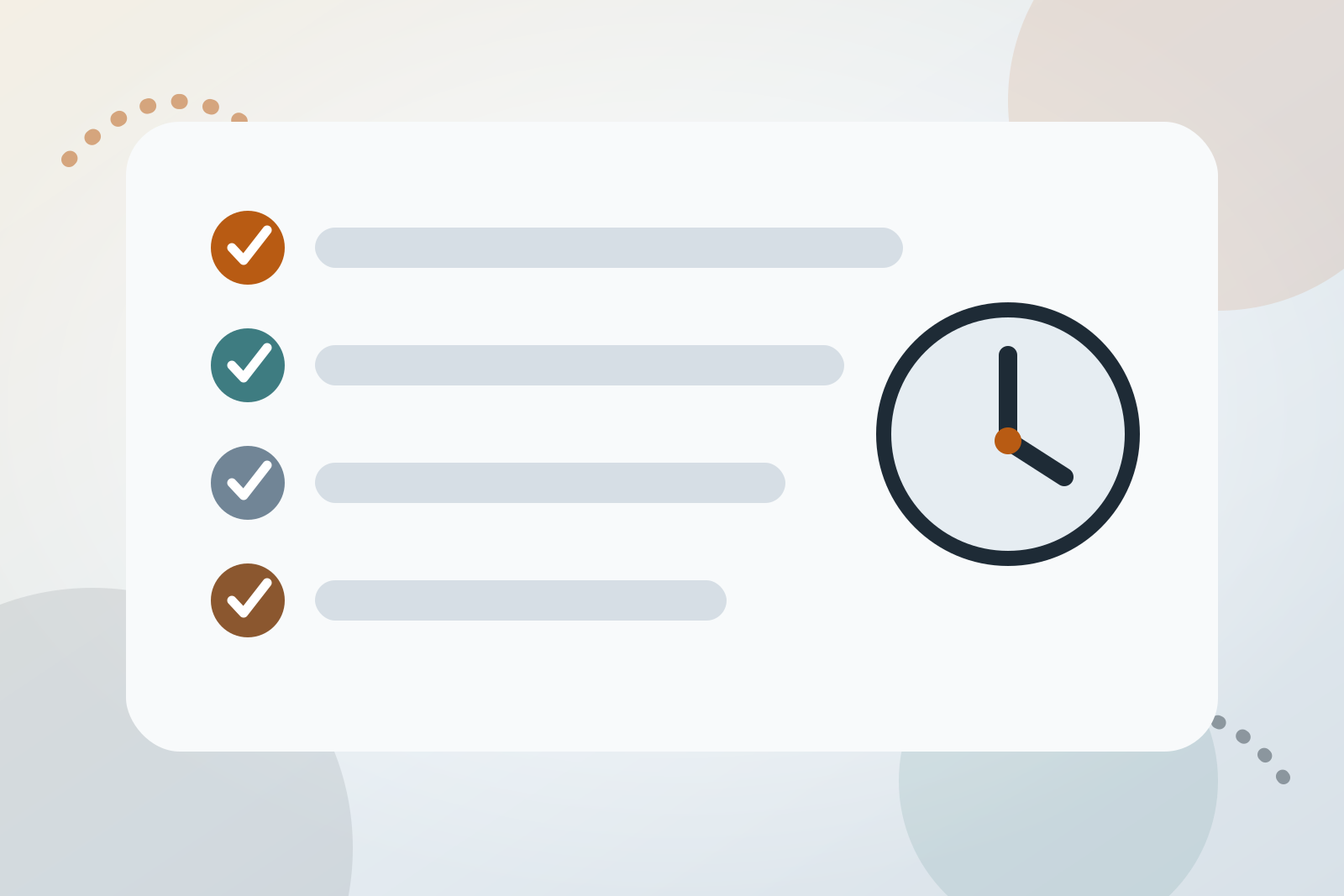
Take a few minutes around midday and answer four questions:
- What is my goal tonight? No alcohol, or a specific limit you set now. Both are real goals. Write the number down rather than deciding later.
- Is there alcohol in the house? If so, decide now whether to move it, give it away, or leave it unopened somewhere you don't normally go. NIAAA suggests keeping little or no alcohol at home.
- What is happening this evening? A normal weekday, a late finish, a phone call you're dreading, a quiet house? Each one changes which part of the evening is likely to be hardest.
- Who can I contact if it gets hard? Pick one person and send a message now, not at 8pm: "Evenings are tough at the moment. Can I text you around 7?"
This is editorial advice, not a clinical protocol. It helps because it moves the decision away from the time you are most likely to struggle.
Map your evening as four decision points
An evening is a sequence of moments, and some of them make drinking more likely. Here is one invented example. Someone works from home and usually opens a bottle of wine soon after finishing work. Their evening has four points:
- The transition (6:10pm): the laptop closes. Nothing new starts, and the kitchen is ten steps away.
- The arrival point (6:20pm): standing at the fridge, where the bottle is kept in the door.
- The peak hour (6:30–7:30pm): cooking, with a podcast on and the house quiet.
- The second wave (9:30pm): the dishes are done and the sofa feels empty.
Write your own version. Use real times if you know them. If you don't, spend a week or two writing down when the pull appears. How to track the hours you are most likely to drink shows a simple way to do that. NIAAA also suggests tracking your urges for a couple of weeks to see when they happen and what sets them off.
If your evenings come down to one clear hour rather than several points, a practical plan for the difficult hour goes deeper on that single window.
Prepare one move for each point
Give each decision point one prepared move. Pick one, not a list of options.
The transition. Replace the old signal that the workday is over. Change clothes, go outside for ten minutes, or have a hot drink you prepared that afternoon. The aim is to mark the end of work without alcohol.
The arrival point. If you keep alcohol in the house, this is where an earlier decision pays off. Move the bottle out of the fridge door. Put sparkling water or something else you actually like where it used to be. If you pass a shop on the way home, decide before you leave work whether you will take a different route.
The peak hour. This is often the hardest part. If cooking is the cue, change how you cook rather than skipping the meal. Cooking without the usual drink covers that routine in detail. Eat at a reasonable time if hunger tends to make the pull stronger.
The second wave. Late cravings are often about tiredness or an empty room, not the alcohol itself. Plan something low-effort with a clear end: a shower, the call you arranged at midday, an episode you have saved, or simply going to bed earlier than usual.
Use a short script when the pull still arrives
Even a good plan will not prevent every craving. When one starts, a few lines you wrote earlier are easier to follow than starting from scratch.
Try something like:
It's 6:40. This is the usual time. I'll drink the water, finish chopping, and check in with myself at 7:15.
NIAAA describes riding out an urge without giving in, rather than fighting it. Some people find it helps to picture the urge rising and falling like a wave. Treat this as a coping technique, not a promise that the craving will be gone by a set time. Cravings vary in length and can come back. A five-minute plan for the start of a craving breaks those first minutes into steps.
Lived experience, not evidence. Some people in peer-support communities say small physical changes helped them more than motivation alone: a different route home, a different chair, not keeping wine in the fridge door. These are worth testing, not rules.
When the plan needs medical support
Some evening drinking is a habit. Some is physical dependence, and that changes what is safe.
The NHS advises getting medical help before you stop or cut down if you get withdrawal symptoms. Drinkaware warns that if you are heavily dependent on alcohol, you should get medical advice before stopping completely, because stopping suddenly can be dangerous.
Talk to a GP or a local alcohol service before changing your drinking if:
- you drink most evenings and feel shaky, sweaty, sick, or anxious the next morning or when you skip a night,
- you have needed alcohol to stop those feelings,
- you have had seizures, hallucinations, or confusion when you stopped before.
Call emergency services (999 in the UK, 911 in the US, or your local emergency number) or go to A&E if you or someone else has severe withdrawal symptoms, such as confusion, seizures, or seeing or hearing things that aren't there, or if anyone is in immediate danger.
A planning routine is not a substitute for medical care when withdrawal is possible. If tonight already feels unmanageable, how to get through a difficult alcohol night covers how to stay safe first.
Review the evening without judging yourself
The next morning, spend two minutes writing down what happened at each point. Which move worked? Where did the plan stop fitting? Did you stay within the goal you set at midday?
If you drank, record it honestly and keep the rest of the record. A slip at the second wave tells you something useful about 9:30pm. It does not wipe out the evenings that went to plan. Tracking alcohol without turning it into shame explains how to keep that record useful.
Change one thing for the next evening, not everything. If the peak hour keeps getting the better of you, change the peak hour's move. Don't just promise yourself you'll try harder.
Where a private tracker can help
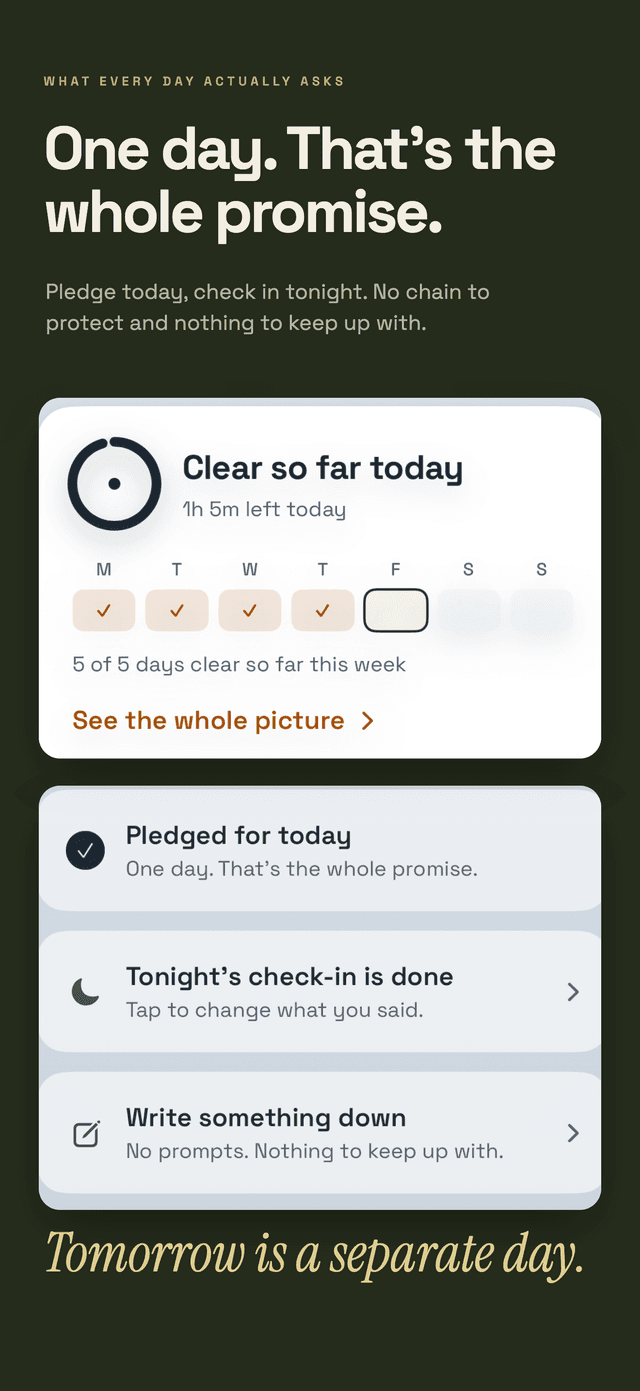
You can do all of this on paper. If you would rather keep it on your iPhone, Hard Bit lets you log urges and drinks, set a goal to stop or cut down, and save a personal reason that shows up when you tap the button for a difficult moment. The counter does not reset after a slip. A subscription adds a forecast of your difficult hours, calculated on your phone from your own logs. It makes no prediction until you have five entries, and relies fully on your own data from about twenty. There is no account, and your history stays on your device.
A tracker can show you when evenings get hard. It cannot assess withdrawal risk or replace professional support. Our editorial policy explains how we keep health information separate from product information.
Frequently asked questions
Why do I only crave alcohol in the evening?
Evenings often bring together the cues linked to drinking: work ending, tiredness, hunger, cooking, relaxing, or being alone. Early research in young drinkers also suggests craving may follow a daily rhythm that peaks in the evening. Your own log will tell you more than an average does.
Should I stop drinking or cut down in the evenings?
Either can be a valid goal. If you choose to cut down, set the limit at midday and write it down. If you drink heavily or get withdrawal symptoms, get medical advice before doing either, because stopping or cutting down suddenly may not be safe.
What can I drink instead of alcohol in the evening?
Choose something you actually enjoy and prepare it before the evening starts, such as sparkling water, tea, or an alcohol-free drink. Some people find alcohol-free versions of their usual drink bring back the craving, so notice how they affect you.
How long will evening cravings last?
There is no reliable timeline that applies to everyone. Cravings can rise, fall, and come back. Treat a short delay as a way to make room for a decision, not a guarantee that the craving will be gone by a set time.