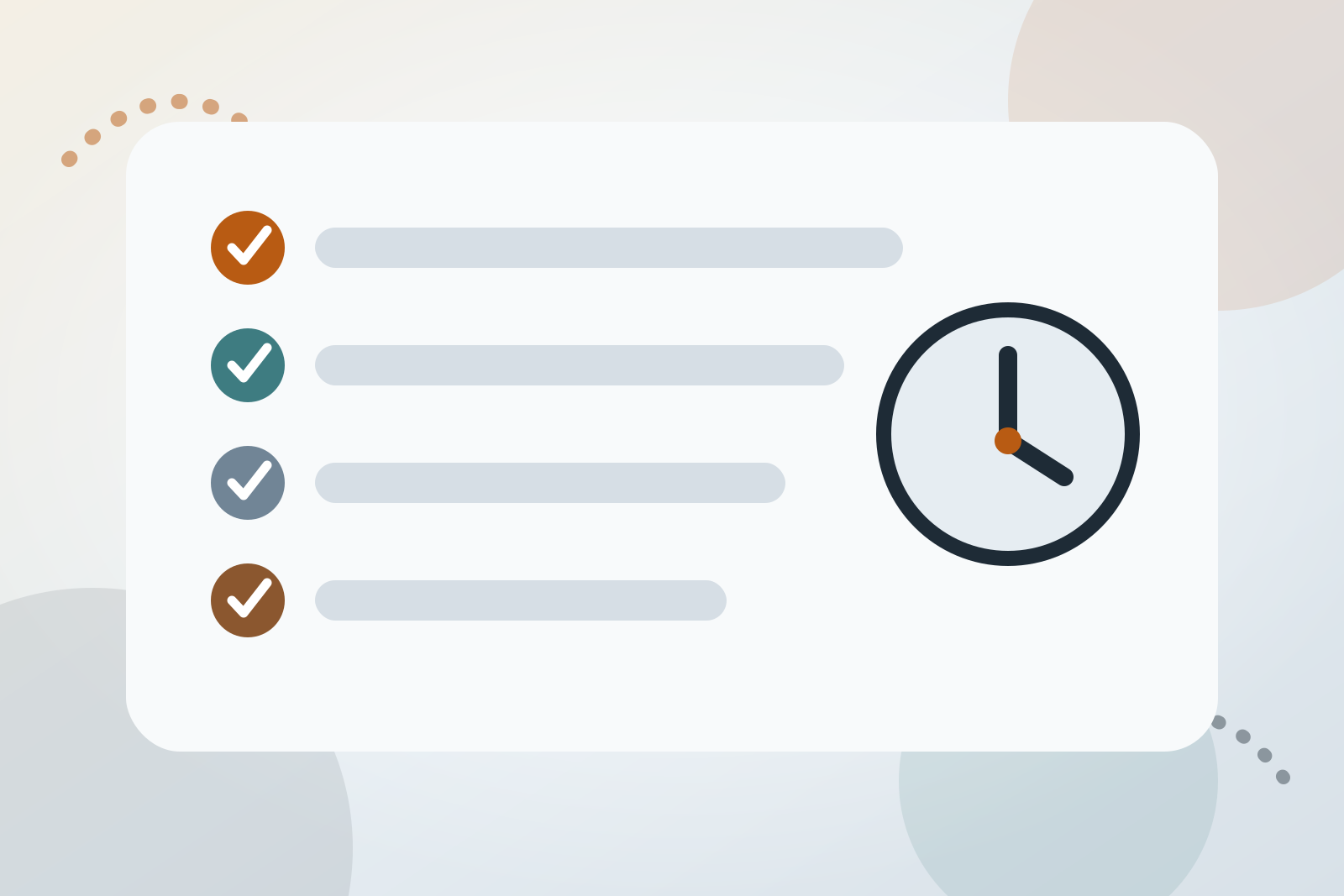
Payday gambling urges are easier to handle when the barriers are already in place before the money arrives. Don't wait until your balance jumps and then rely on willpower. Use the week before payday to switch on things that take time: a bank gambling block, self-exclusion and blocking software. Use the day before to give every pound a job. Then plan three specific moments: the deposit notification, the first evening and the first weekend. If debt or borrowing is already part of the picture, add free support to the plan too.
This guide sets that out as a timeline you can reuse every month.
Why payday needs its own plan
On most days, an urge to gamble runs into a practical limit: there isn't much money to reach. On payday that limit disappears for a while. The account is full, the bills haven't gone out yet, and the familiar feeling of "this time could be different" has real money behind it.
People in peer-support communities often describe payday as one of the hardest points of the month. On the GamCare forum, members swap tactics such as giving their card to someone they trust for the weekend. That is lived experience, not clinical evidence. It still matches a simple practical point: the hours after wages arrive combine access, money and often relief at the end of a long month.
The aim of a payday plan is to make sure that, by the time the money lands, most of it has already gone where it needs to go and the rest is harder to reach.
Map your payday window before it opens
Start by writing down your own timing, because "payday" means different things to different people. Note:
- When the money actually arrives. Overnight, early morning or mid-afternoon?
- When bills currently leave. Days later? Spread across the month?
- The first free evening after payday. Is it the same day or the next Friday?
- The first weekend or big sporting event after payday.
Here's an example. You're paid on the 28th, and the money usually shows up around 6 a.m. Rent leaves on the 1st and your phone bill on the 5th. That leaves several days when almost your whole wage sits in one account. That gap is the real risk window, not just the morning itself.
If you already have a gambling craving plan, add this window to it as its own situation.
Seven days before: switch on the slow barriers
Some protections don't work instantly, and some are meant to be hard to undo. That makes them a poor fit for the morning the money lands and a good fit for a calm week beforehand.
Bank gambling block. GamCare explains that many UK banks can block card payments to gambling merchants. You can usually set one up in the banking app, by phone or in a branch. Blocks are often set card by card, so check that every debit card you hold is covered. Some banks also make you wait through a cooling-off period, often 48 or 72 hours depending on the bank, before a block can be switched off again. GamCare also notes that some e-wallet payments may not be caught. Check any card you've added to a phone wallet, and ask your bank how its block handles those payments.
Self-exclusion. In Great Britain, GAMSTOP is a free scheme that excludes you from licensed gambling websites and apps. The minimum periods are six months, one year or five years, and GAMSTOP says it cannot remove an exclusion early. That fixed term is exactly why it suits planning ahead rather than a heated moment.
Blocking software. The NHS suggests installing gambling-blocking software on your devices as well as self-excluding.
Other money controls. MoneyHelper notes that banks may be able to freeze a card temporarily or cap cash withdrawals. You can also add a note to your credit file asking lenders not to lend to you for gambling. MoneyHelper also explains that credit cards can't be used for most gambling in the UK, so removing debit-card access matters even more.
If you live outside the UK, look for the equivalent bank controls, self-exclusion scheme and helpline where you live.
The day before: give every pound a job
The NHS suggests paying essential bills on payday, before you have a chance to gamble. You can turn that into a routine:
- Move bill dates. Ask your landlord, energy supplier or phone provider whether the payment date can move to payday or the day after.
- Schedule a standing order to savings for payday morning, ideally into an account without a linked card.
- Set a spending amount for the period until next payday. Move only that amount into the account you use every day.
- Decide on cash in advance. If cash has been part of the pattern, choose a small amount, or none at all.
- Tell one person that tomorrow is payday and what your plan is. You don't need to explain everything, just enough that they know to check in.
If tracking the money gambling used to cost is part of your routine, the day before payday is a useful time to look back at last month's total. Use it as a reason for the plan, not as a reason to punish yourself.
Payday morning: plan for the deposit notification
For many people, the first payday cue isn't an advert or a match. It's the banking app saying "you've been paid". That message delivers a fresh balance and a hit of anticipation in a single tap.
If your banking app lets you, consider turning off incoming-payment notifications for this account. You can still check that your wages arrived. You just choose when, instead of the notification choosing for you.
Then prepare a short first-hour routine:
- Check that the scheduled bills and savings have gone out, or pay them by hand straight away.
- Close the banking app once the balance looks as you planned.
- Read the sentence you wrote earlier about why you are stopping or cutting down.
- Start the next part of your day, such as work, the school run or breakfast, before going back to your phone.
If an urge arrives anyway, use the steps in how to handle gambling cravings in the moment: name the urge, move away from the device, and put off the decision. How long an urge lasts varies from person to person. A delay creates room to decide, but it doesn't guarantee the feeling will pass by a set time.
The first evening and weekend: keep access difficult
Payday evening is often when the morning plan wears thin. You're tired, the day's routine is over, and the money is still there. Decide in advance where you'll be and what you'll do. Choose a plan with a clear start and end, preferably with other people and away from your usual gambling setting.
The first weekend after payday is worth planning for too, especially if it includes a big match or a night out. The ideas in making late-night gambling access harder apply here as well. Charge your phone outside the bedroom, leave cards at home when you go out, and avoid being alone with a full balance late at night.
If you agreed to let a trusted person hold a card, decide now when you'll get it back. Choose a fixed day, not "when I feel ready."
Check whether payday really is your pattern
Payday can feel like the obvious trigger, but your own records may show something more specific. Maybe it's the first Friday after payday, or the evening after a stressful week that happens to end with wages.
A simple log helps here. Each time an urge or a bet happens, note the date, the time, what came just before it and how strong it felt. After two or three pay cycles, compare the entries for the days around payday with the rest of the month.
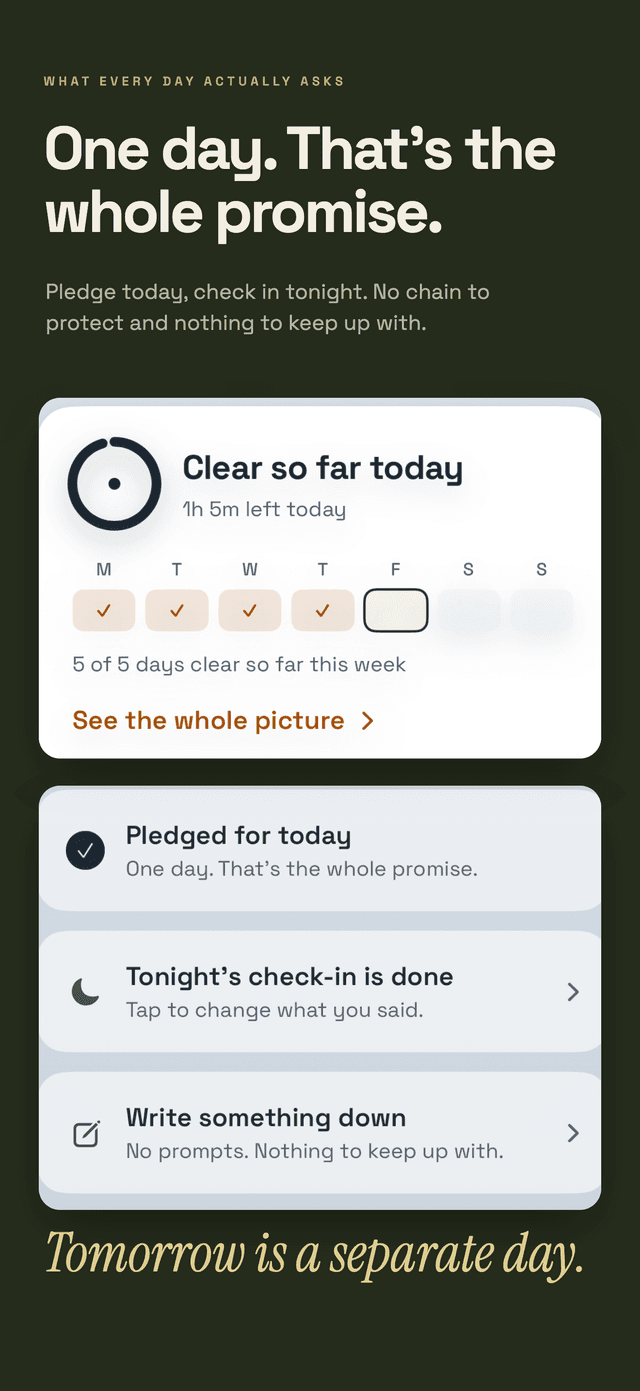
In Hard Bit, you can log betting as its own habit, mark when an urge was difficult, and keep your reason for stopping ready for the hard-moment flow. Hard Bit Plus adds a patterns and calendar view, which helps you check whether entries cluster around particular dates. The learned forecast is calculated on your device from your own logged history. It makes no prediction until you have five entries and relies fully on your data at about twenty. It doesn't know when you're paid, so it can only reflect what your logs show. Hard Bit has no account and keeps no history on a server, so these notes stay with you. It's a tracker, not treatment or financial advice.
If payday has already gone wrong
If some or all of your wages went on gambling, start with safety and essentials, not blame. Work out which priority bills are at risk, such as rent, mortgage, council tax and energy. Contact a free debt adviser before taking out any loan to cover the gap. MoneyHelper points out that debt advice can be tailored when the adviser knows gambling caused the debt.
Avoid trying to win the money back. If that urge is loud, read about pausing before chasing losses. Then use what to do after a slip with gambling to record what happened and change one barrier before next month. Keep the record honest. A difficult payday is information for the next plan, not proof that the plan was pointless.
When to bring in more support
Barriers help, but they're not a replacement for support when gambling is causing serious harm. In the UK, the National Gambling Helpline is free and available 24 hours a day on 0808 8020 133. The NHS says its specialist gambling clinics in England accept self-referrals, and your GP can point you to local services.
If you are thinking about harming yourself or feel unsafe, contact emergency services straight away (999 in the UK) or call Samaritans free, 24 hours a day, on 116 123. Outside the UK, use your local emergency number or crisis line. Our editorial policy explains how we separate general guidance like this from product information and how we review sources.
Frequently asked questions
Why are gambling urges stronger on payday?
Experiences vary, but payday brings together a full balance, easy access and often relief or a sense of reward after a long month. Many people in peer-support communities describe it as a hard point in the month. Your own logs can show whether payday itself, or a particular evening after it, is your real pattern.
Can I set up a bank gambling block on payday itself?
You can, but it's safer to do it several days earlier. That way it's already working when the money arrives, and any cooling-off period your bank applies to switching it off covers your highest-risk days. Check that each card, including any in a phone wallet, is covered.
Should I give my bank card to someone else on payday?
Some people find that a trusted person holding a card for a day or a weekend is a useful extra barrier. Agree in advance on exactly when you'll get it back. Combine it with bank blocks and self-exclusion so your plan doesn't depend on one person.
Is it better to stop gambling or cut down around payday?
That depends on your situation and goals. If gambling has caused debt, borrowing or hiding money, specialist support services can help you decide. A tracker can record either goal. It can't decide which one is safe for you.
What if I am not paid monthly?
Use the same timeline at your own frequency. If you're paid weekly or receive irregular income, schedule bills and savings to go out on the day money arrives, and keep the slow barriers switched on all the time rather than turning them on before each payday.